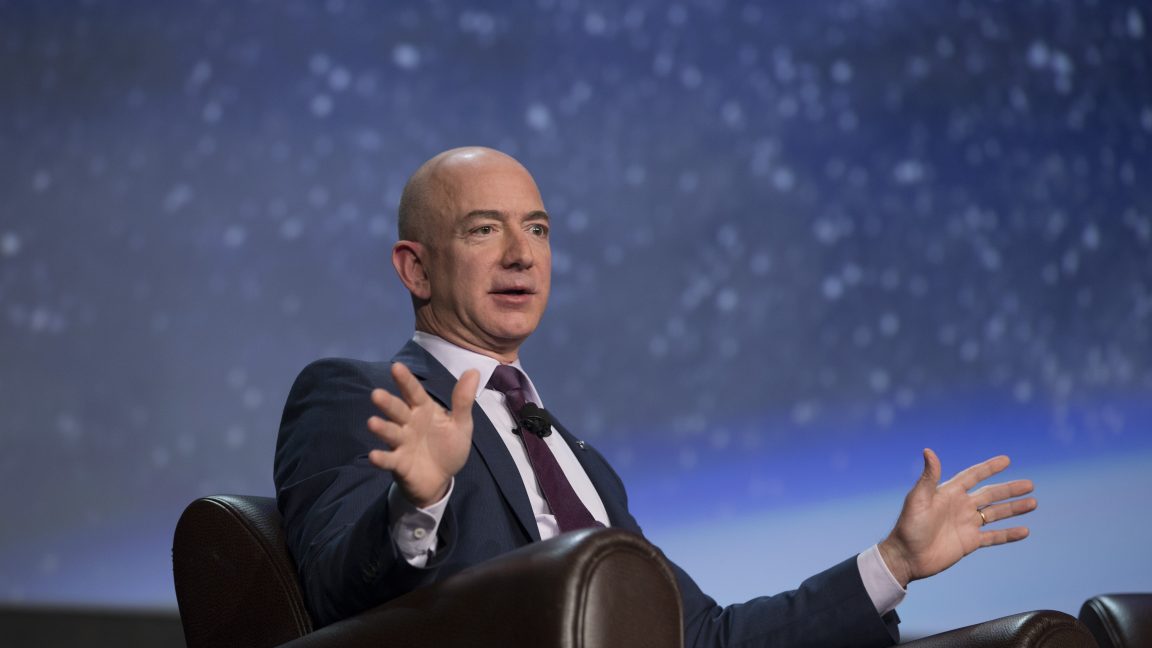
Blue Origin is raising $10 billion in private capital for the first time in its history, valuing the spaceflight company at $130 billion. The funding round marks a major shift for the Jeff Bezos-owned venture, which has historically relied on internal investment from its founder rather than external investors.
The capital will support Blue Origin's expansion across its multiple business lines. The company operates Blue Shepard, a suborbital tourist vehicle, and is developing New Glenn, a heavy-lift orbital rocket intended to compete with SpaceX's Falcon Heavy. Blue Origin also manufactures BE-4 engines used on ULA's Atlas V and Vulcan rockets, generating significant revenue from government and commercial contracts.
The $130 billion valuation reflects growing investor confidence in the commercial space sector, though it remains below SpaceX's estimated $180 billion valuation. The timing coincides with increased competition in launch services and government spending on space infrastructure. The U.S. Space Force and Space Development Agency have begun diversifying their launch providers beyond SpaceX, creating market opportunities for competitors.
Blue Origin has faced criticism over delayed timelines for New Glenn and questions about its technical approach. The company has struggled to match SpaceX's launch cadence and operational efficiency. However, the BE-4 engine remains in high demand, and New Glenn's capabilities for heavy-lift missions address a genuine market need.
This funding decision signals Bezos is willing to dilute his ownership stake to accelerate development and compete more aggressively. The capital infusion could fund additional testing facilities, manufacturing capacity, and workforce expansion. Blue Origin employs roughly 8,000 people across multiple sites including West Texas, Cape Canaveral, and the Alabama Spaceport.
Investors apparently view Blue Origin's engine business and government contracts as sufficient foundation for the valuation, even without frequent orbital launches. The