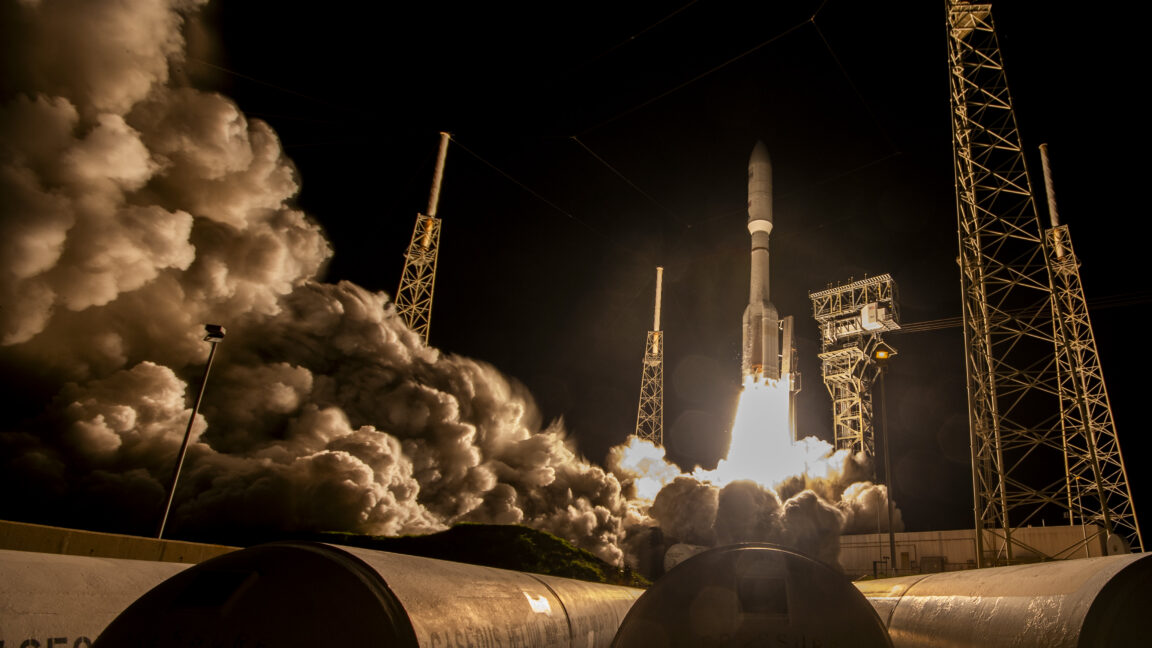
United Launch Alliance's final six Atlas V rockets face a critical constraint. These launches are contractually locked to Boeing's Starliner spacecraft and cannot carry other payloads, leaving ULA with severely limited flexibility as it transitions to its newer Vulcan rocket.
The restriction stems from long-standing agreements between ULA and Boeing that predate the Starliner program's recent struggles. Each of the six remaining Atlas V missions must deploy Starliner for crew or cargo transport to the International Space Station. This commitment leaves no room for commercial satellites, national security payloads, or other customers waiting for launch capacity.
The situation highlights a broader industry problem. ULA spent years developing Vulcan as Atlas V's successor, but the transition period creates a gap where existing commitments lock up valuable launch infrastructure. Atlas V remains one of the most reliable heavy-lift vehicles in operation, with a near-perfect success record. Losing that capacity to exclusive contracts reduces overall U.S. launch availability during a period of high demand.
Boeing's Starliner program compounds the issue. The vehicle has encountered repeated technical delays and safety concerns, pushing back launch schedules. Each postponement ties up an Atlas V slot that could otherwise serve other customers. Industry observers question whether Starliner needs all six dedicated missions or if some could be repurposed.
ULA leadership has acknowledged the constraint but remains bound by existing agreements. The company continues developing Vulcan, which promises greater payload capacity and lower costs than Atlas V. However, Vulcan cannot launch until Boeing completes Starliner missions currently scheduled.
The exclusive arrangement also creates commercial pressure. Companies like SpaceX and Relativity Space are expanding launch options, potentially capturing market share during this transition window. Customers requiring launches in the next 18 to 24 months may seek alternatives rather than wait.
ULA expects to complete all Atlas V missions