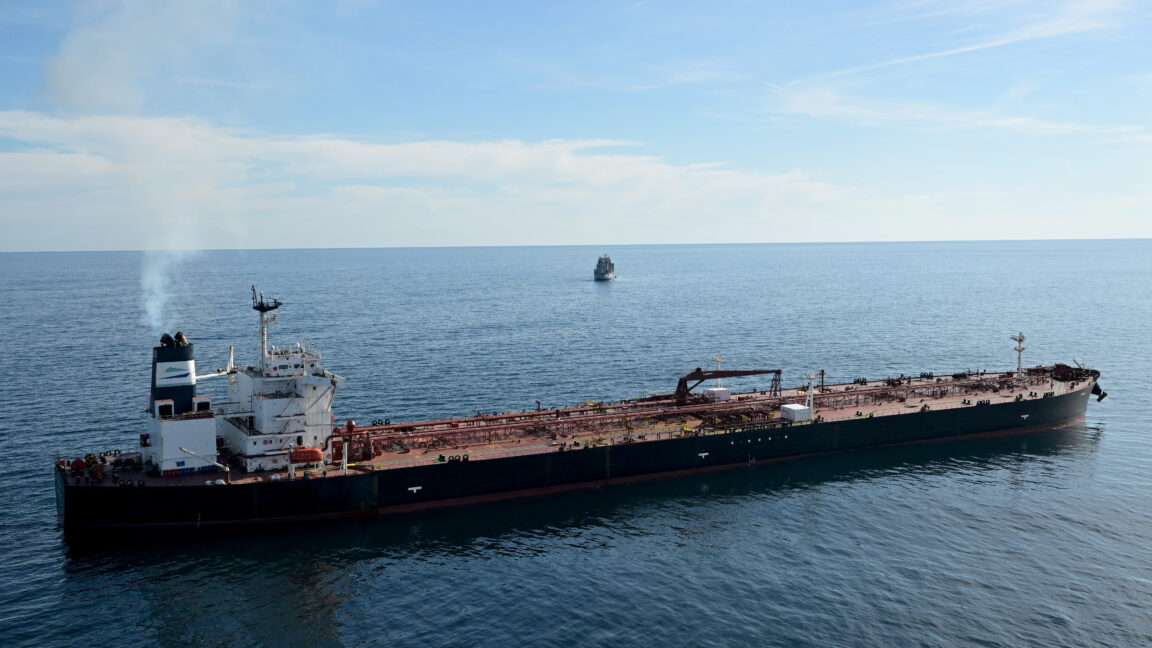
Russia appears to be operating surveillance drones from vessels in its shadow fleet, penetrating European airspace in recent weeks. Intelligence officials and security analysts tracking the intrusions suggest Moscow is using commercial shipping disguised as ordinary cargo to deploy reconnaissance equipment across NATO territory.
The suspected operations mark a shift in Russian tactics. Rather than direct military action, the Kremlin deploys drones launched from ships positioned in international waters or neutral ports. This approach exploits gaps in European air defense coordination and creates plausible deniability. The shadow fleet, a network of aging tankers and bulk carriers flagged under obscure jurisdictions, provides cover for military reconnaissance missions.
European air defense systems detected multiple incursions but struggled to mount coordinated responses. NATO members lack unified protocols for tracking and intercepting drones originating from maritime sources. Individual nations scrambled fighters or activated air defenses, but the decentralized response revealed operational vulnerabilities. One official described the situation as "a wake-up call about our readiness."
The drone flights collected intelligence on NATO infrastructure, port facilities, and military installations across multiple countries. The payloads appear designed for high-altitude surveillance rather than offensive capability, but the penetrations expose how easily adversaries can probe European defenses.
Russia's shadow fleet operates largely unchecked because vessels change registrations frequently and operate under flags of convenience. Ships carry legitimate cargo alongside military equipment. Tracking individual vessels proves difficult when ownership structures deliberately obscure connections to Russian state entities.
NATO has discussed stronger maritime surveillance and air defense integration, but implementation remains slow. Some European defense officials argued for direct interception protocols and real-time intelligence sharing between allied air forces. Others recommended expanding radar coverage and deploying additional air defense systems near ports.
The incidents underscore how technological asymmetry favors the aggressor. Russia launches operations from dispersed, mobile platforms that activate intermittently. Europe must maintain constant vigilance