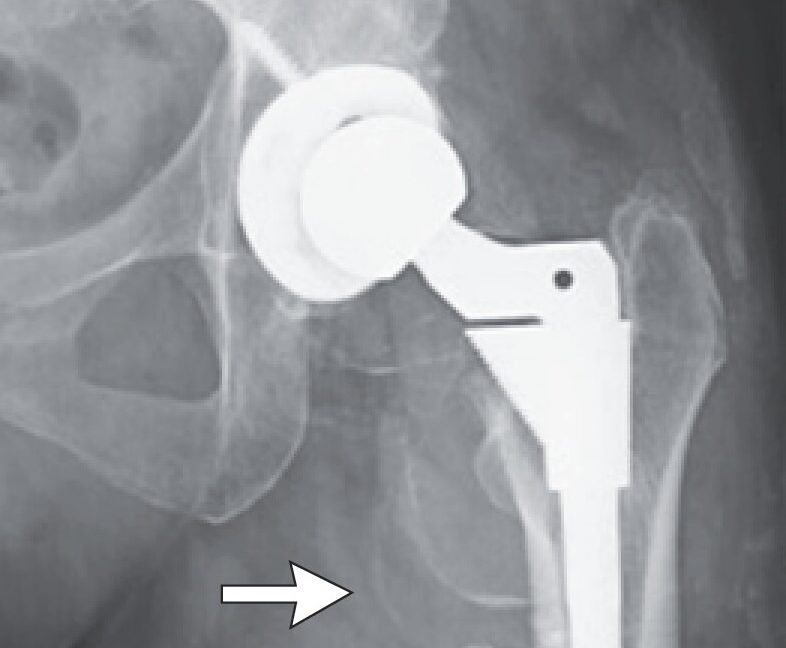
A woman suffered severe metal poisoning after her hip replacement implant deteriorated inside her body, leaving doctors to discover grey fluid and necrotic tissue during surgery.
The case highlights a persistent problem with metal-on-metal hip replacements. These devices, which feature articulating surfaces made from cobalt-chromium alloys, shed microscopic metal particles over time. The particles accumulate in surrounding tissue and enter the bloodstream, triggering an inflammatory response and systemic toxicity.
Metal-on-metal hip implants dominated the market in the 2000s before safety concerns emerged. Manufacturers promoted them as durable alternatives to traditional metal-on-plastic designs, but clinical data revealed elevated metal ion levels in patient blood and serious complications including osteolysis (bone death), pseudotumors (fluid collections), and tissue necrosis.
The FDA received thousands of adverse event reports linking these implants to complications. Major manufacturers including DePuy, Stryker, and Wright Medical faced recalls and lawsuits. By 2015, metal-on-metal designs had largely disappeared from new implants, though millions remain in patients worldwide.
What makes this case noteworthy is the visible extent of tissue damage. The grey fluid and metallic discoloration of dead flesh indicate prolonged metal exposure and an aggressive immune response. Pathologists can identify cobalt-chromium particles in the damaged tissue using standard microscopy.
Treatment typically involves surgical removal of the implant and debridement of affected tissue. Patients often require revision surgery to place a new implant, typically using ceramic or polyethylene articulation surfaces. Long-term health effects from metal ion exposure remain uncertain, though neurological symptoms and organ damage have been reported in severe cases.
This incident underscores the lag between medical device approval and real-world safety data. Hip replacements undergo less rigorous long-term monitoring than pharmaceut