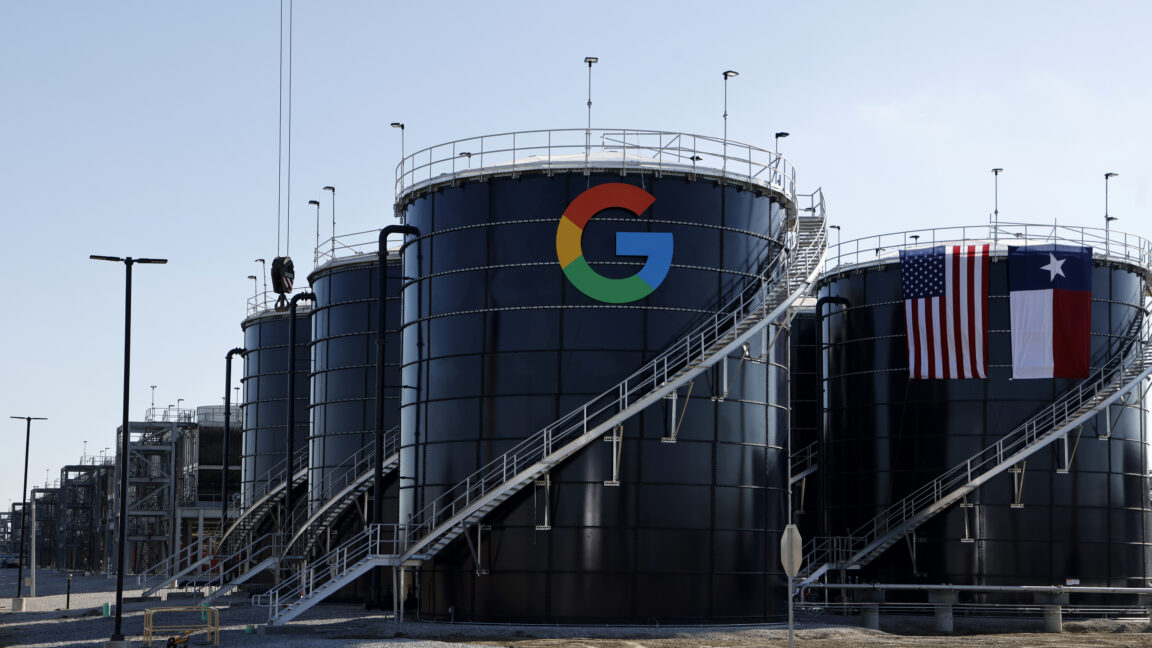
Google's electricity consumption jumped 37 percent in 2025, driven primarily by the company's aggressive expansion of AI infrastructure and data centers. The surge reflects the massive computational demands of training and running large language models and other machine learning systems at scale.
The company disclosed the increase as it attempts to balance rapid AI growth against its long-standing commitment to carbon neutrality. Google has invested heavily in renewable energy projects, including wind and solar farms, to offset emissions from its expanding data center footprint. However, the pace of AI buildout has outstripped the deployment of clean energy capacity, creating a widening gap between power demand and renewable supply.
The 37 percent spike dwarfs typical year-over-year growth in data center electricity use and signals the resource intensity of the AI arms race. Training a single large language model consumes enormous amounts of power. Running inference at Google's scale across billions of queries multiplies that demand further.
Google frames its position as a leadership role in responsible AI deployment. The company has set targets to reach net-zero emissions by 2030 and claims it will match 100 percent of electricity consumption with renewable energy purchases by that date. These commitments rely on continued investment in solar and wind projects, as well as emerging technologies like next-generation nuclear reactors.
The electricity increase raises questions about whether major tech companies can scale AI responsibly while meeting climate goals. Google's situation mirrors broader industry challenges: demand for AI capabilities drives data center expansion, but renewable energy infrastructure takes years to build and faces permitting obstacles.
Critics note that purchasing renewable energy credits does not always translate to proportional reductions in grid carbon intensity, particularly in regions reliant on fossil fuels. Google's approach depends on whether renewable energy projects materialize fast enough to match the acceleration in compute demand. The company's transparency on energy consumption suggests confidence in its ability to manage the transition, though the 37 percent jump