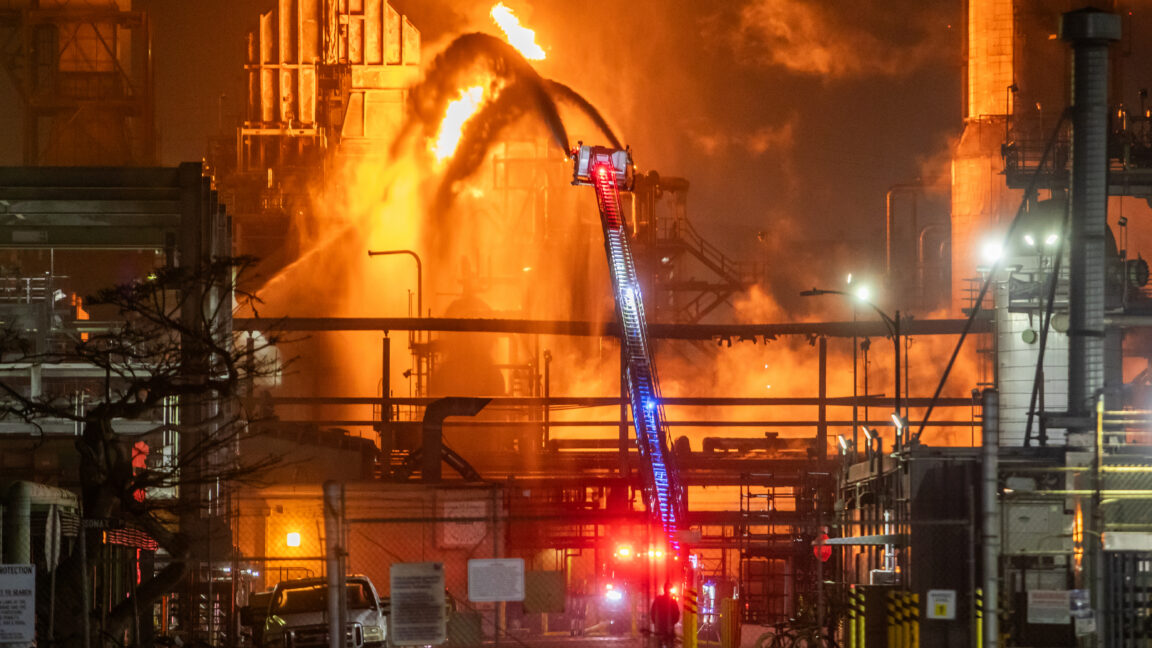
The Trump administration is proposing rollbacks to chemical safety regulations at a moment when accident-related injuries and deaths from chemical incidents are climbing sharply. Data shows chemical accidents causing human harm jumped nearly 50 percent in recent years, yet the administration's proposals would weaken existing protections.
The timing creates a direct conflict. Stricter rules on chemical storage, handling, and reporting were implemented after major industrial disasters like the 2013 West Texas fertilizer plant explosion that killed 15 people. Those regulations require facilities to maintain safety standards and report hazardous substance releases to the public.
The proposed rollbacks would reduce oversight of chemical plants and facilities. Specific changes include loosening rules around how companies store dangerous materials, reducing mandatory reporting of chemical releases, and cutting inspection frequency at high-risk plants. Industry groups argue these regulations impose unnecessary costs, but safety advocates counter that the rules directly prevent disasters.
The rising accident rate suggests current protections are insufficient, not excessive. Chemical incidents have broad impacts beyond immediate workers. Communities near industrial facilities face exposure to toxic releases. The 2016 Arkema chemical plant fire in Texas, which released cancer-causing gases, displaced thousands of residents and occurred despite existing safety regulations.
Public health experts warn that weakening rules now contradicts the data showing accidents are getting worse. The Chemical Safety Board, a federal investigative agency, has documented preventable failures at plants with poor safety cultures and deferred maintenance. Many accidents trace to cost-cutting measures and deferred inspections.
The administration's approach prioritizes regulatory reduction over incident prevention. Companies already face liability for accidents, but the cost of a lawsuit rarely matches the savings from skipped safety investments. Making rules weaker removes even that minimal incentive.
Chemical safety operates invisibly until something goes wrong. Residents in industrial areas typically have no warning before a major release. Reducing reporting requirements means communities lose information about what chemicals they're