# When the Ability to Smell Goes Away
Loss of smell, or anosmia, signals something deeper than a stuffy nose. Research increasingly links olfactory disturbances to serious neurological conditions, making smell function a potential early warning system for brain health problems.
The connection runs both ways. COVID-19 brought sudden anosmia into public consciousness, but scientists now recognize that smell loss often precedes diagnosis of Parkinson's disease, Alzheimer's disease, and other neurodegenerative conditions by years. The olfactory system connects directly to brain regions critical for memory and motor control, making it uniquely vulnerable to neurological damage.
Anosmia works as a diagnostic marker because the olfactory epithelium sits at the brain-environment interface. When proteins misfold or neural pathways degrade, smell receptors often fail before symptoms appear elsewhere. Studies show that people with smell loss score lower on cognitive tests and have higher rates of neuroinflammation detected in brain imaging.
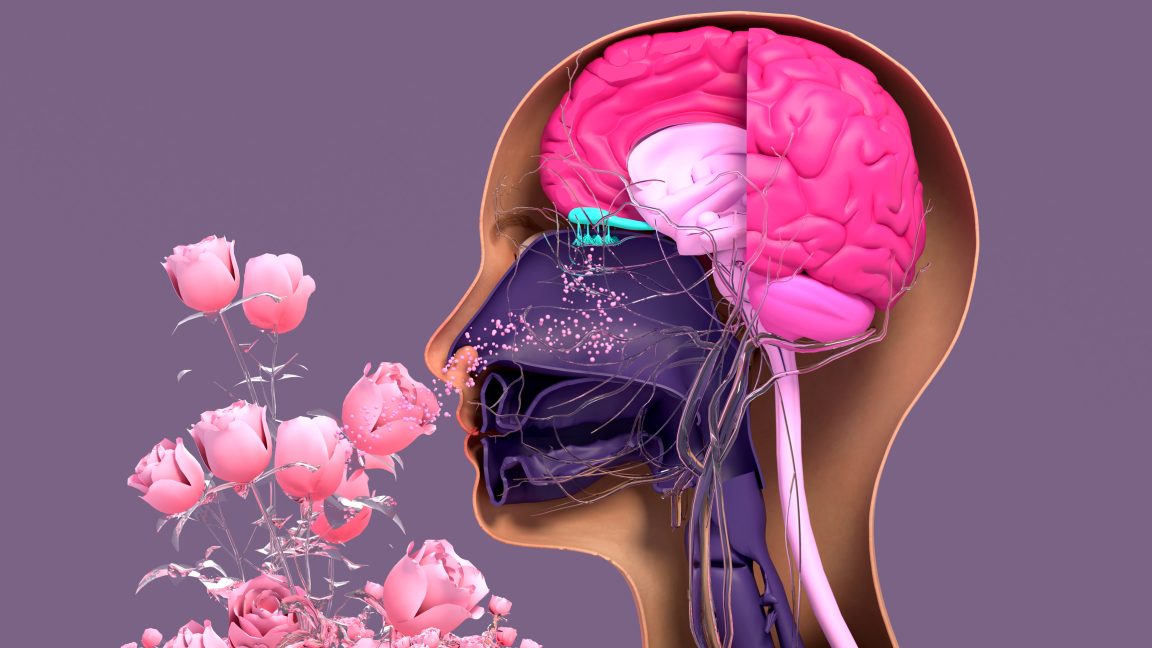
The mechanism matters. Smell depends on olfactory neurons sending signals through the olfactory bulb directly to the limbic system. Damage anywhere in this pathway disrupts the sense. Viruses like SARS-CoV-2 can attack these neurons directly. Neurodegenerative diseases cause protein accumulation that impairs neural function. Even head injuries can sever olfactory nerves permanently.
Clinical implications reshape how doctors approach diagnosis. A patient reporting smell loss shouldn't expect treatment to stop at nasal sprays. Neurologists now routinely test olfactory function as part of cognitive screening. Some research suggests that preserving smell function through early intervention might help slow neurodegenerative progression, though this remains experimental.
The practical challenge lies in detection. Many people don't notice gradual smell loss until it becomes severe. Coffee tastes