The Africa Centers for Disease Control and Prevention confirmed a Marburg virus case in Uganda as the region battles multiple disease outbreaks simultaneously. Early reports suggest a possible second case, though health officials believe transmission remains localized for now.
Marburg virus causes a rare but severe hemorrhagic fever with fatality rates reaching 88 percent in past outbreaks. Uganda has experienced Marburg cases before, with the most recent confirmed outbreak in 2017. The virus spreads through contact with infected blood or body fluids, and symptoms include fever, muscle pain, and bleeding from multiple body sites.
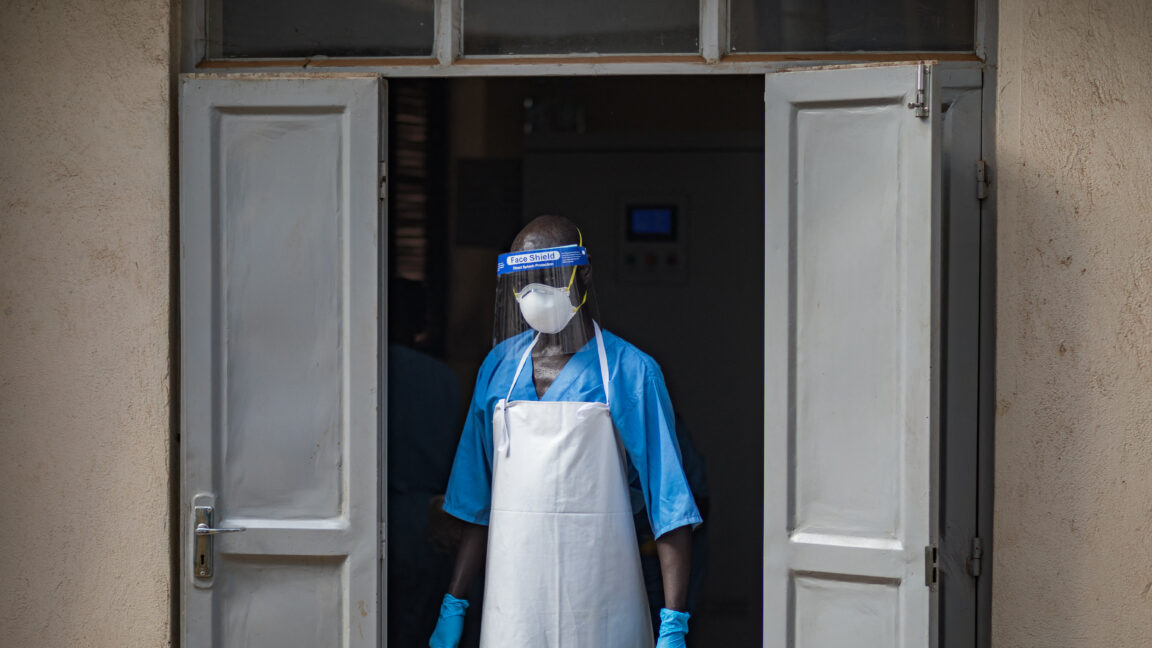
The confirmation arrives during an active Ebola outbreak in the Democratic Republic of Congo, straining public health resources across central Africa. Both viruses demand similar containment protocols: isolation of patients, protective equipment for healthcare workers, and careful contact tracing. Uganda's health system has developed experience managing viral hemorrhagic fevers but faces resource constraints in rural areas where cases often emerge.
Uganda's Ministry of Health activated disease surveillance networks immediately following the confirmation. Health workers are screening contacts and monitoring for additional cases. Early detection proved critical in previous outbreaks, allowing authorities to contain spread before it reached urban centers.
The localized spread assessment suggests current cases lack the transmission characteristics needed for rapid geographic expansion, but officials maintain heightened alert status. Marburg's incubation period spans two to three weeks, meaning the true case count may become clearer within days. Healthcare facilities near confirmed cases are implementing enhanced infection prevention measures.
African nations have invested heavily in surveillance infrastructure over the past decade, partly driven by previous Ebola emergencies. These systems now provide early warning capabilities that didn't exist years ago. Still, limited laboratory capacity and delayed reporting in remote regions remain persistent challenges. The concurrent Ebola outbreak in Congo demonstrates how multiple circulating viruses can stretch response capabilities thin, even with improved detection systems. Uganda's next steps center