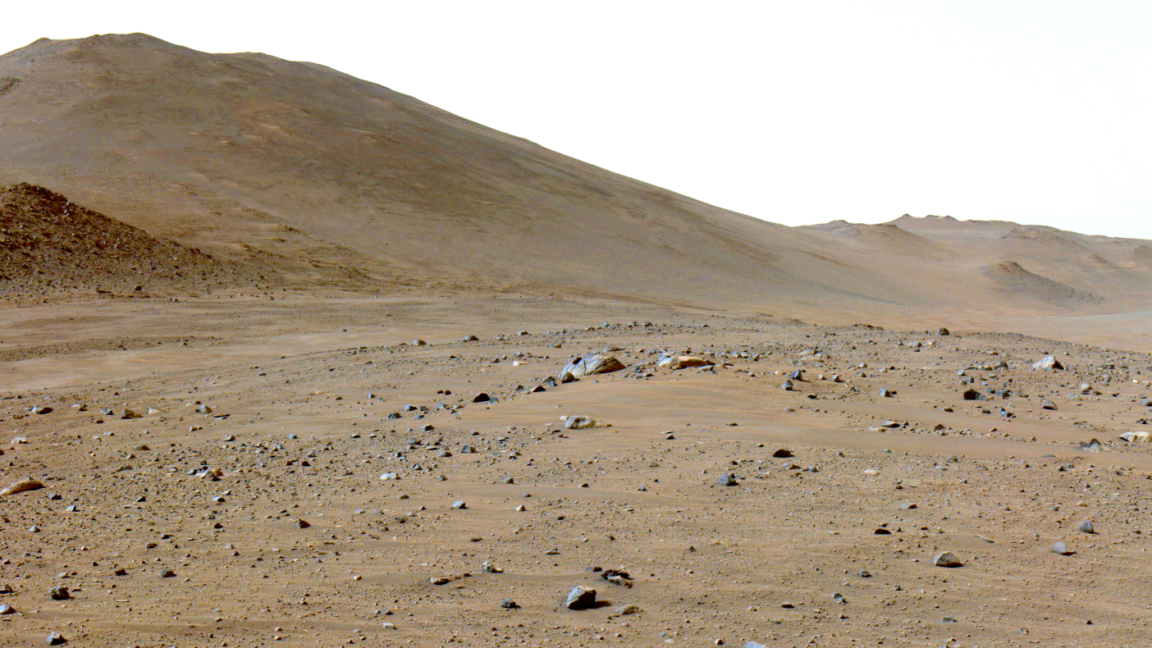
NASA's Perseverance rover detected unusually high concentrations of carbon on a Martian rock, raising questions about the planet's geological history and potential past habitability. The finding doesn't point to life, but the carbon's origin remains unclear.
The rover's instruments measured carbon levels significantly above baseline expectations in samples analyzed in Jezero Crater. Scientists initially considered biological sources, since organic carbon on Earth typically traces to living organisms or their decay products. Mars, however, presents a different puzzle. The planet lost its magnetic field billions of years ago, leaving its atmosphere vulnerable to solar wind erosion. Any biological activity would have occurred in Mars' distant past when conditions were more favorable.
Alternative explanations exist. Geological processes could produce concentrated carbon deposits through chemical reactions in subsurface water or thermal events. Meteorite impacts might have delivered carbon-rich material. Carbonate minerals, which store carbon chemically rather than biologically, could account for the readings. The rock's composition and structure require careful analysis to distinguish between these possibilities.
Perseverance's suite of instruments, including its Sample Analysis at Mars laboratory, provides unprecedented capability to investigate such discoveries. The rover can detect organic compounds, measure isotope ratios that reveal carbon's origins, and assess whether chemical conditions ever supported microbial life. Previous Perseverance findings in Jezero Crater documented seasonal methane fluctuations and organic-rich mudstones, suggesting the ancient crater hosted conditions suitable for life.
This carbon discovery underscores the complexity of Martian science. What appears straightforward on Earth requires multiple lines of evidence on Mars. Scientists must rule out non-biological explanations before claiming evidence of past life, a standard that prevents premature conclusions. The rover will continue sampling and analyzing rocks as it explores Jezero Crater, building a comprehensive picture of Mars' past environment and habitability. Each finding contributes data toward answering