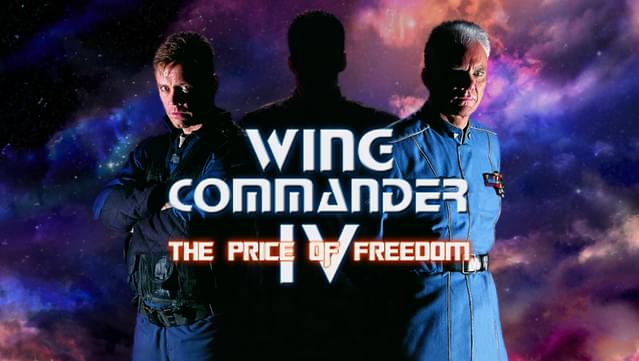
Chris Roberts pushed full-motion video (FMV) into the mainstream with Wing Commander IV, releasing a game that functioned as much like an interactive film as a traditional space combat simulator. The 1996 title featured Hollywood actors including Mark Hamill, John Rhys-Davies, and Tom Wilson performing in meticulously shot sequences that ran between gameplay segments. Roberts spent an enormous budget filming these scenes, treating the project as a cinematic experience rather than a conventional game.
Wing Commander IV represented an inflection point in gaming ambition. Roberts believed FMV technology could evolve games beyond their interactive roots, creating genuine narrative immersion through live-action performances and film-quality production values. The approach worked commercially and critically, proving audiences would engage with games that treated storytelling with Hollywood-level resources and talent.
The strategy failed to define gaming's future, however. Technical limitations hampered FMV's broader adoption. Video compression and storage constraints on CD-ROM media meant sequences consumed enormous disk space. Loading times between scenes frustrated players. By the early 2000s, real-time graphics rendering advanced rapidly enough to make pre-recorded video obsolete. Game engines could generate cinematic visuals on the fly, eliminating the need for expensive filmed sequences.
Wing Commander IV nonetheless demonstrated that players craved narrative depth and production quality. The game's influence persisted indirectly through games that borrowed its cinematic ambitions without relying on actual film footage. Modern titles like the Uncharted series and The Last of Us inherited Roberts' philosophy of blending gameplay with blockbuster storytelling, though they achieved it through superior graphics technology rather than live action.
Roberts himself moved toward film production after his game development career plateaued, eventually launching the Star Citizen crowdfunding campaign. His original vision of games as interactive cinema remains unfulfilled in its purest FMV form. Yet the underlying impul