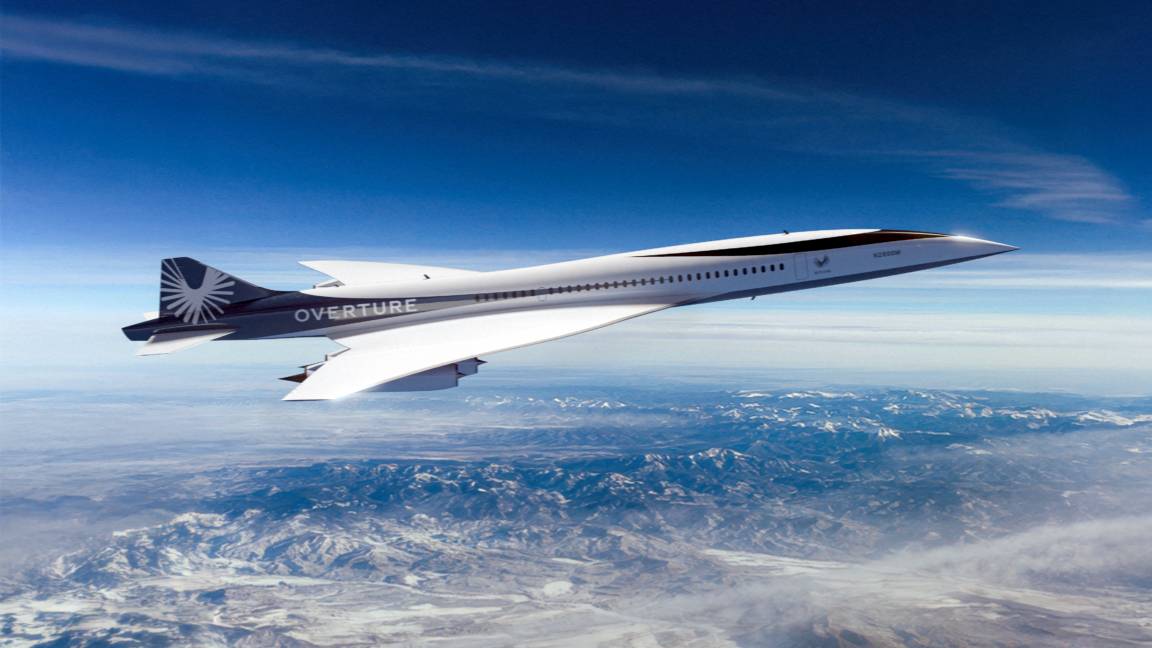
The Federal Aviation Administration has proposed new regulations that would allow supersonic aircraft to operate over US cities and populated areas, provided they meet strict noise restrictions. The proposed rules sidestep the decades-old ban on supersonic flight over land by focusing on acoustic performance rather than speed.
Under current regulations, supersonic aircraft cannot fly faster than sound over the continental US due to sonic boom concerns. The FAA's new framework would permit supersonic operations if aircraft demonstrate they can cruise without producing audible sonic booms. Companies developing quieter supersonic jets, including Boom Supersonic and Exosonic, have designed aircraft intended to meet these acoustic thresholds.
The proposal shifts regulatory focus from speed to noise impact. Rather than blanketly prohibiting supersonic flight, the FAA would evaluate whether specific aircraft designs produce acceptable noise levels over populated areas. This approach acknowledges that modern engineering can suppress or eliminate sonic booms through careful aerodynamic design.
Supersonic jetmakers have invested heavily in technologies to minimize shock wave noise. Boom's Overture, expected to enter service in 2029, aims for "quiet cruise" capabilities. The company targets transonic speeds near populated areas before accelerating to supersonic speeds over water. Similarly engineered aircraft could theoretically operate across the continental US if they prove they generate noise within FAA limits.
The regulatory change carries significant commercial implications. Legalized supersonic flight over land would slash flight times for transcontinental routes, potentially making supersonic travel economically viable for airlines and passengers. Current routes require jets to fly subsonic over the US, then accelerate supersonic over the Atlantic or Pacific, reducing time savings.
Environmental and noise concerns remain central to implementation. The FAA has not yet specified the exact decibel thresholds aircraft must meet, and environmental groups have questioned whether truly silent supersonic flight is achievable. Testing and certification of quieter designs will determine