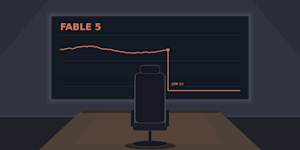
Anthropic's sudden removal of Claude Fable 5 from global markets in mid-June exposed a vulnerability that enterprises had already begun hedging against. New data reveals that two-thirds of enterprises have diversified their AI model dependencies across multiple vendors. The unexpected export-control order yanked the company's most capable model offline without warning or timeline, forcing customers to scramble for alternatives.
The model returned this week with additional safeguards after China's Z.ai demonstrated methods to circumvent existing controls. This incident validates a strategy many enterprises adopted months ago. Rather than betting their operations on a single model provider, companies began building redundancy into their AI infrastructure.
The removal highlighted a critical business reality. Regulatory actions, geopolitical tensions, and corporate policy changes can disrupt access to essential AI tools instantly. Enterprises relying solely on Claude Fable 5 faced operational disruption and had no recourse. Those with hedged positions activated backup models from OpenAI, Google, or other providers without service interruption.
The trend reflects deeper concerns about AI vendor concentration. A single government order can eliminate access to state-of-the-art capabilities globally. Export controls targeting specific model capabilities or vendors create unpredictable operating environments for businesses dependent on these tools. Companies can no longer assume continuous access to their preferred AI systems.
Anthropic's experience suggests this pattern will persist. Regulatory scrutiny of advanced AI models continues intensifying. Geopolitical dynamics mean export restrictions could target any vendor at any time. Enterprise customers learned that relying on one provider introduces unacceptable risk.
The two-thirds figure signals a maturation in how companies approach AI infrastructure. Rather than chasing the latest benchmark results, enterprises now prioritize resilience. This shift reshapes vendor dynamics across the AI industry. Capabilities alone no longer guarantee adoption if access remains uncertain. Companies now factor reliability, geographic distribution,