NASA's heavy-lift rocket programs continue to slip behind schedule, with officials unable to commit to firm launch dates. The agency's flagship Space Launch System (SLS) and commercial partners' vehicles face persistent delays that jeopardize timelines for lunar missions and deep-space exploration.
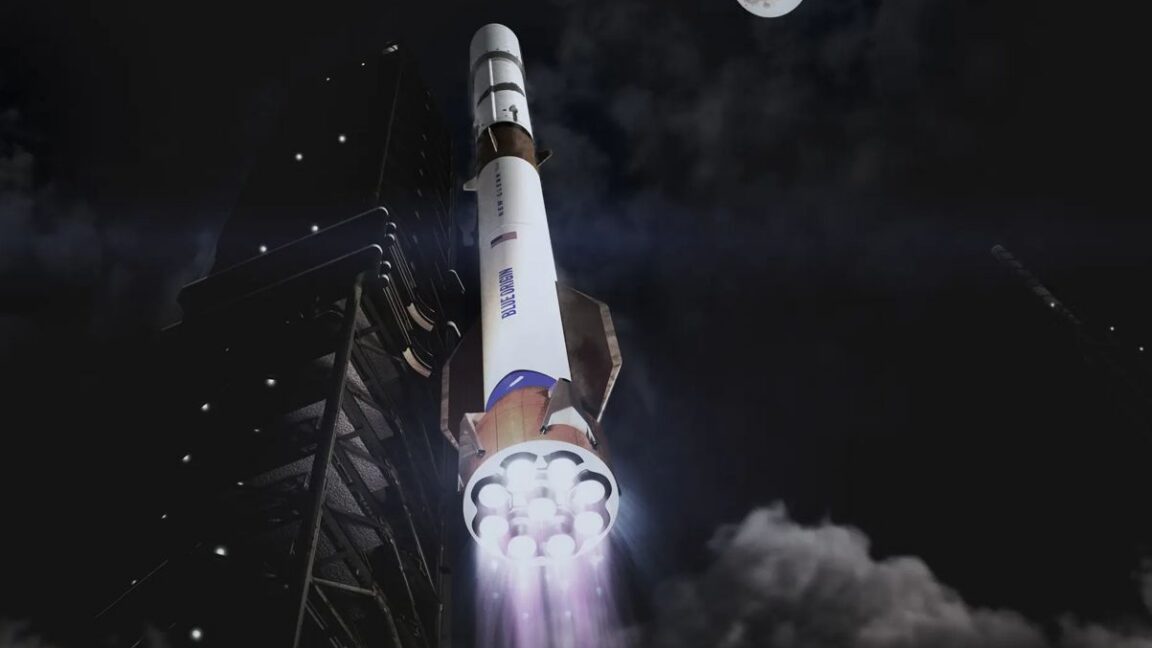
At Ars Technica's recent live event, industry observers highlighted a troubling pattern: aerospace contractors and government agencies consistently announce target dates for major rocket debuts, then miss them. SLS, designed to power Artemis moon missions, has experienced repeated postponements. Similarly, SpaceX's Starship and Blue Origin's New Glenn face their own schedule pressures, despite representing billions in development investment.
The root causes span technical challenges, funding constraints, and manufacturing bottlenecks. Rocket development involves thousands of components requiring precision engineering and extensive testing. Supply chain disruptions compound these problems. Each test failure or design flaw triggers redesigns that ripple through production timelines.
The consequences ripple across NASA's entire exploration strategy. Artemis lunar missions depend on SLS availability. Without reliable heavy-lift capacity, the agency cannot sustain human presence on the Moon or launch probes to distant planets. Commercial partners fill some gaps, but their rockets serve different payload capacities and missions.
One panelist noted the industry has never reliably predicted major rocket readiness dates. This isn't mere scheduling incompetence. Complex systems inevitably encounter unknowns. Engineers discover problems only during testing. Contractors face pressure to announce optimistic timelines to secure funding and public support, then struggle to deliver.
The situation demands NASA establish more realistic expectations and fund backup programs. Depending on a single rocket creates risk. Multiple development paths, though more expensive upfront, protect critical missions if one program stumbles.
For now, observers expect continued delays. The space industry's track record suggests anyone promising a firm launch date is likely optimistic