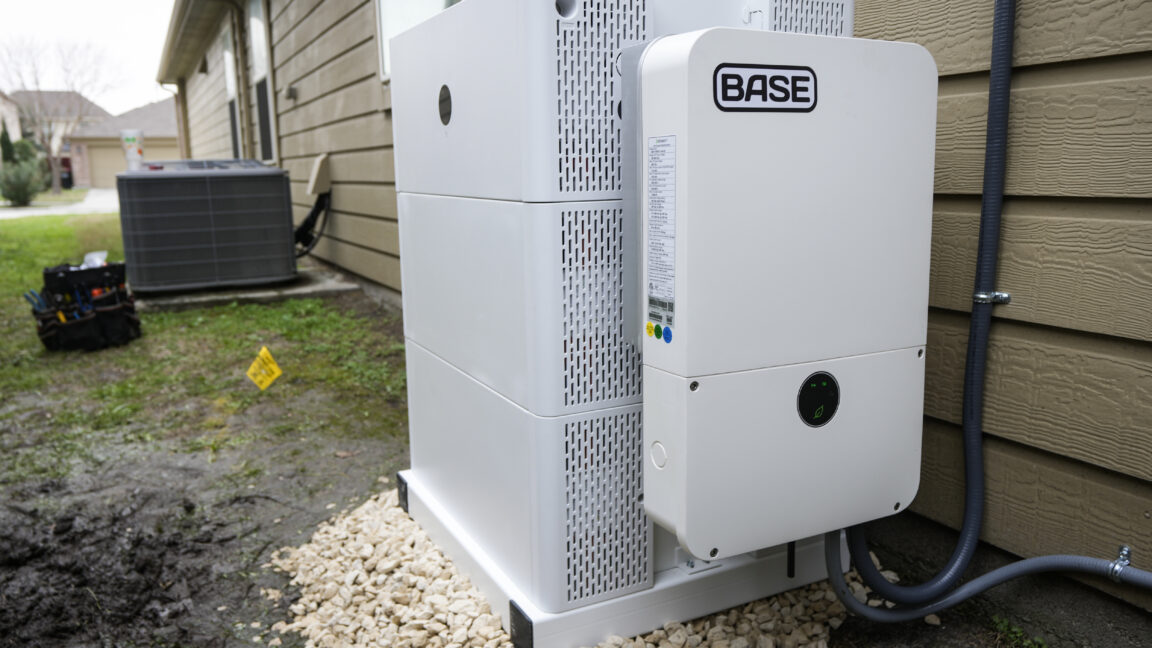
US households installed batteries at record levels in 2024, driven by surging electricity costs and improved economics around solar-plus-storage systems. The trend reflects a shift in how residential consumers manage energy consumption and grid participation.
Home battery systems, primarily lithium-ion installations paired with rooftop solar, now offer homeowners direct cost savings through bill reduction and backup power during outages. Rising utility rates have compressed payback periods, making residential storage financially viable in more markets. Battery deployments also enable grid services, allowing homeowners to sell stored energy back during peak demand periods when rates spike.
The grid implications extend beyond residential benefits. As battery capacity scales across millions of homes, utilities gain access to distributed storage assets that can stabilize the network and reduce peak demand. This distributed approach reduces pressure on traditional grid infrastructure and defers costly generation and transmission upgrades.
Data center operators have begun eyeing home battery networks as a potential supplemental power source during high-demand periods. The growing fleet of AI systems requires sustained electricity, and distributed residential batteries could provide emergency reserves or load-shifting capacity. This dynamic creates complex incentive structures where grid operators, homeowners, and tech companies compete for battery capacity.
Regional variations matter significantly. States with high electricity rates and strong solar resources see faster adoption. California leads installations, but growth accelerates in previously underserved regions. Battery costs continue declining, with integrated systems becoming more affordable than standalone installations.
Manufacturers including Tesla, LG, and Enphase have expanded production to meet surging demand. Supply chain constraints persist in some areas, but competition drives innovation in battery management software and grid integration protocols.
The record installations signal a structural shift in how electricity flows. Consumers transition from passive ratepayers to active grid participants. This democratization of energy storage reshapes utility business models and creates new dependencies on distributed assets. Grid stability increasingly depends on millions of individual battery decisions rather than centralized generation