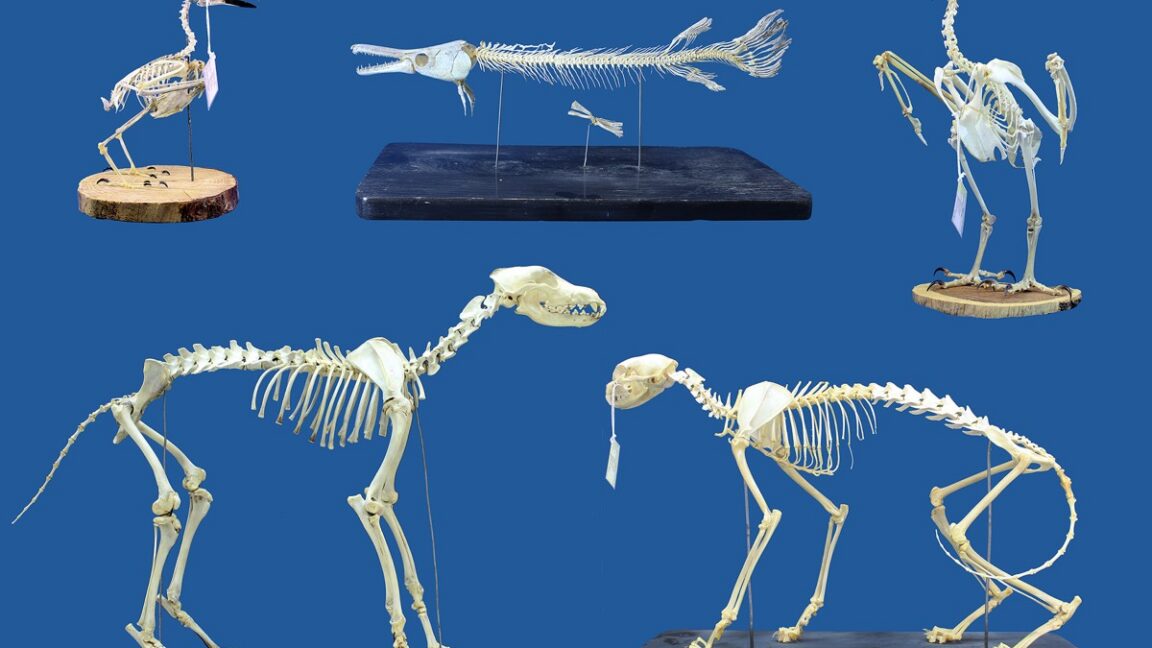
Forensic and museum professionals have a new tool for cleaning skeletal remains. Superworms, the larval stage of the darkling beetle, outperform traditional dermestid beetles in both speed and efficiency when used to strip tissue from bones.
Researchers tested superworm larvae against standard dermestid beetles used for decades in forensic preparation labs and museum work. The key finding centers on dosage. An optimal ratio of 10-15 grams of larvae per gram of specimen delivered the fastest cleaning times without causing bone damage, a critical requirement for specimens destined for research or display.
The superworms' effectiveness stems from their larger size and aggressive feeding behavior compared to dermestid beetles. This allows labs to process specimens faster while maintaining bone integrity, essential for anthropological and forensic analysis where damage can obscure anatomical details or evidence.
The shift holds practical advantages for institutions. Faster processing reduces labor costs and specimen holding space. Superworms also require less specialized care than beetles, lowering operational complexity. For forensic applications specifically, quicker processing can accelerate investigations where timing matters.
The research addresses a real bottleneck. Crime labs and universities currently use dermestid beetles, which work but demand careful monitoring to prevent over-cleaning that damages bone structure. Getting the timing and beetle count right requires experience and constant attention.
Superworms arrive with a caveat: they're invasive species used as fishing bait, raising ecological concerns if specimens escape. Labs would need containment protocols to prevent environmental release. This requirement adds a layer of caution before widespread adoption, though contained laboratory settings present lower escape risk than other applications.
The findings suggest superworms could become standard in forensic labs and museums within a few years. Institutions already running pilot programs report positive results. Full transition depends on developing robust containment procedures and training staff on the new protocols.
This development represents incre