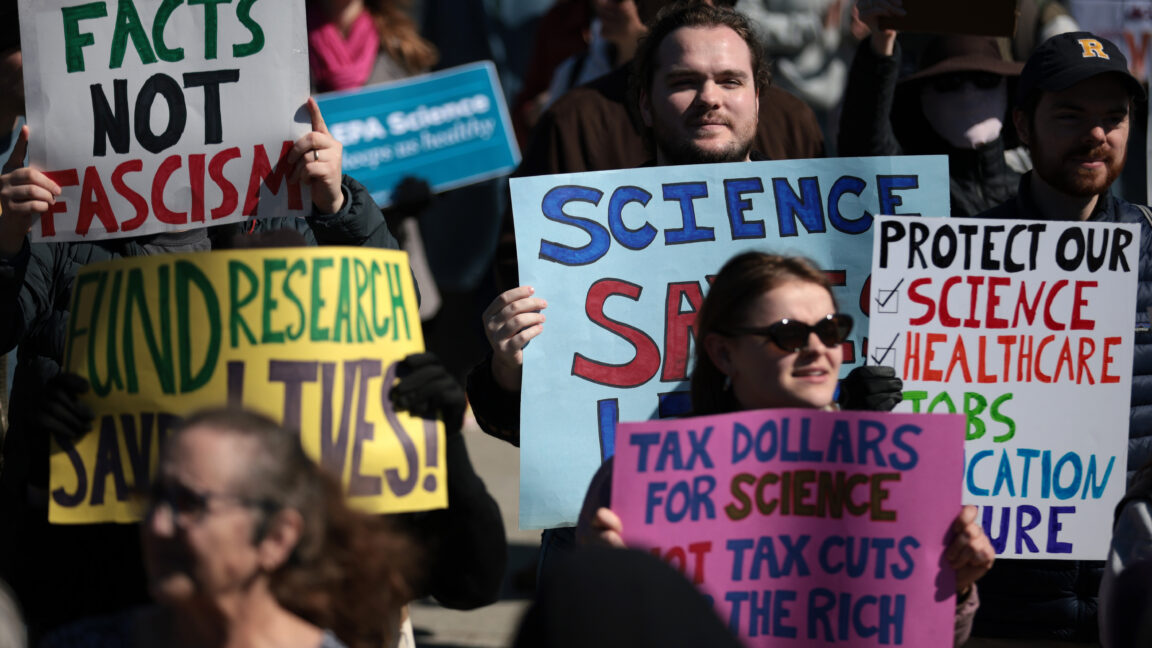
The Trump administration has proposed a rule that would grant political appointees direct authority over federal science agencies' research agendas and funding decisions. The move strips career scientists of their traditional gatekeeping role in evaluating grant proposals and setting research priorities.
Ars Technica's editorial calls on scientists and the public to submit formal comments during the required public comment period before the rule takes effect. The Federal Register process allows anyone to weigh in on proposed regulations. Comments from researchers, institutions, and citizens opposing the change carry real weight in administrative decisions.
The stakes are substantial. Federal agencies like the NIH, NSF, and NOAA currently rely on peer review and scientific merit to allocate billions in research funding. Career officials and appointed scientists have historically insulated these decisions from partisan pressure. The proposed rule inverts this structure, placing politicians at the center of what gets studied and funded.
Critics argue this politicizes research in ways that could suppress inconvenient findings on climate change, public health, and environmental science. It also risks damaging the U.S. scientific establishment's global reputation and competitiveness. Countries with more politicized science systems consistently produce weaker research outputs.
The editorial emphasizes that public comments actually influence outcomes. Agencies must respond to substantive objections during rulemaking. Large comment volumes on controversial proposals have previously forced withdrawals or significant modifications. The process works, but only when stakeholders participate.
Scientists, universities, research hospitals, and advocacy groups have already begun mobilizing. However, individual researchers rarely submit comments, viewing it as outside their job description. The editorial targets this audience specifically, urging them to treat participation as a professional responsibility.
The comment window remains open for a limited time. Submitting concerns through the Federal Register website requires minimal effort. The editorial frames this as a critical moment where the scientific community can defend the integrity of the peer-review system that built American research