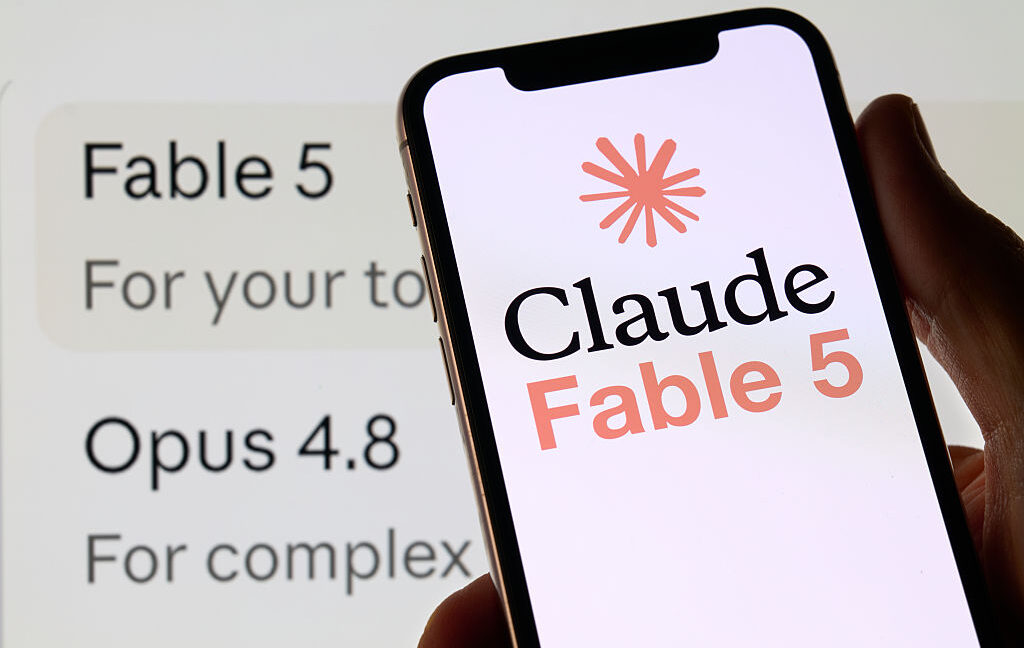
Anthropic secured clearance from US authorities to release its advanced Claude models globally after demonstrating robust safety measures. The company's Fable and Mythos models, previously restricted under US export controls, now face no barriers to international distribution.
The models underwent safety testing that apparently satisfied government concerns about advanced AI systems reaching foreign actors. Anthropic's approach focused on red-teaming exercises and adversarial testing to show the models resist misuse. The company documented how its constitutional AI training methodology constrains harmful outputs without crippling utility.
This approval signals a shift in US export policy. The Biden administration had previously flagged concerns about exporting frontier AI capabilities that could enable weapons development, cyberattacks, or surveillance. Anthropic's testing results convinced regulators that safety mechanisms work.
The release timing matters. Reports suggest the company demonstrated safety credibly enough to convince Trump administration officials that guardrails were real, not theatrical. This removed political friction around global deployment.
Fable and Mythos join Claude 3 variants already available internationally. Fable targets reasoning-intensive tasks with reduced hallucination rates. Mythos handles multimodal inputs across text, images, and potentially audio. Both models trade off against peak performance to prioritize safety and interpretability.
The move accelerates competition with OpenAI and Google. Both competitors face similar export restrictions. OpenAI's GPT models remain subject to review for international deployment. Google's Gemini models operate under comparable constraints.
Anthropic's ability to satisfy regulators on safety testing creates a competitive advantage. Companies that pass government scrutiny first capture international markets faster. The approval suggests Anthropic's safety approach resonates with policymakers skeptical of AI companies' self-regulation claims.
This doesn't mean the models are deployed freely everywhere. Individual countries maintain their own AI governance frameworks. The EU's AI Act still applies within