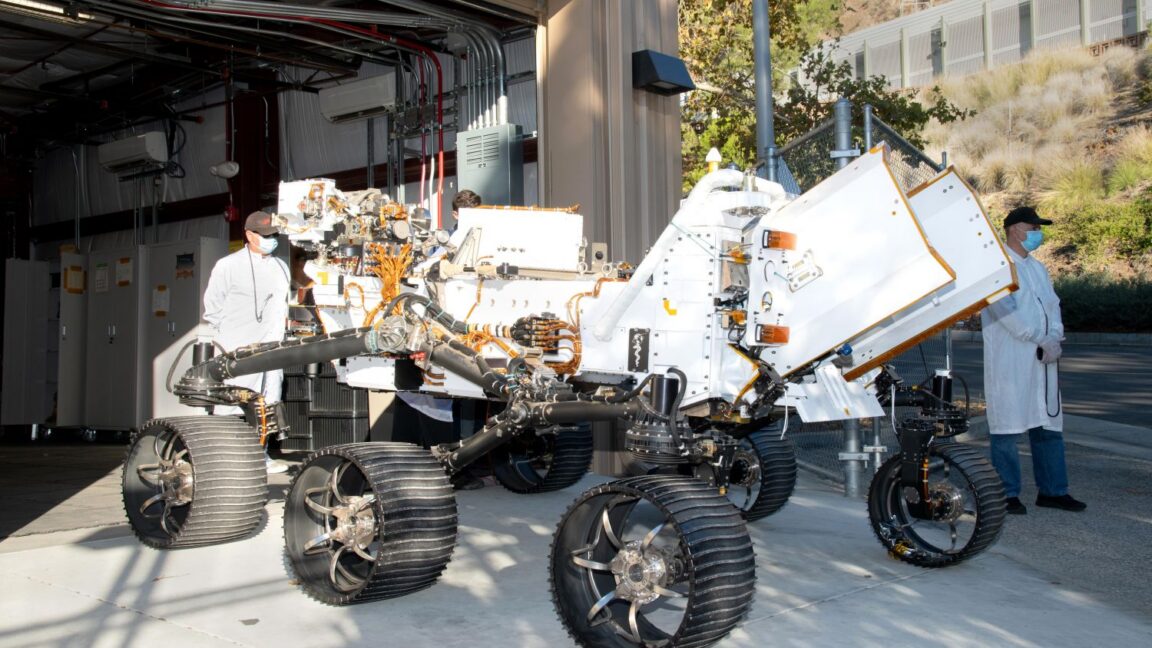
NASA is exploring plans to deploy a nuclear-powered Mars rover design to the Moon as a backup mission. The agency has a proven rover architecture originally built for Mars exploration that could be repurposed for lunar operations, according to statements from NASA officials.
The rover in question uses a radioisotope thermoelectric generator (RTG) for power, a nuclear system that converts heat from decaying plutonium into electricity. This approach offers distinct advantages over solar panels for long-duration missions. RTG-powered systems operate continuously regardless of dust storms, shadows, or lunar night cycles, which can last up to 14 Earth days.
The lunar environment presents challenges solar-powered rovers struggle with: extreme temperature swings and extended darkness. A nuclear-powered rover would maintain consistent power generation, enabling continuous operations and scientific data collection that solar systems cannot sustain. NASA officials characterize the capability as worthwhile for lunar exploration objectives.
This strategy reflects a pragmatic approach to spacecraft development. Rather than designing entirely new rover systems from scratch, NASA considers adapting existing, flight-proven hardware. The Mars rover design has already undergone rigorous testing and validation, reducing development timelines and costs compared to a purpose-built lunar rover.
However, deploying nuclear material on the Moon carries regulatory and technical considerations. Launch safety protocols, international space law frameworks, and mission architecture decisions would all require review before authorization.
The proposal remains speculative at this stage. NASA has not committed to the mission or secured funding. The concept demonstrates the agency's interest in extending rover capabilities beyond Mars while maximizing efficiency of existing technology platforms. Whether this backup plan advances depends on NASA's lunar exploration priorities, budget allocation, and ongoing assessment of alternative rover architectures for sustained Moon operations.