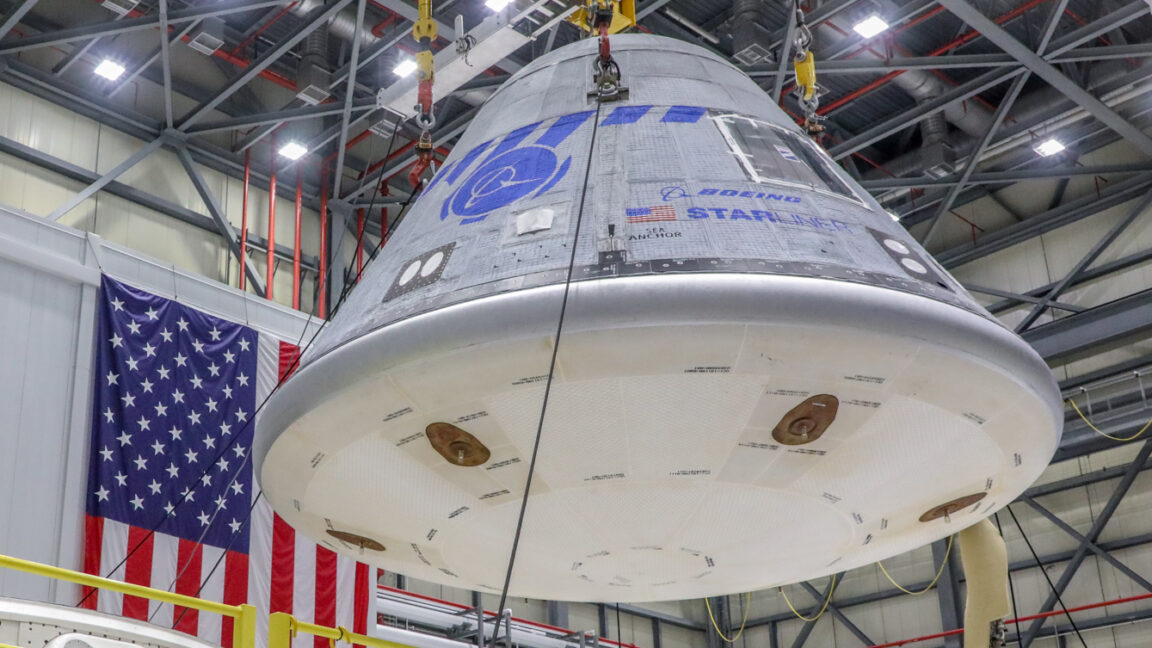
Boeing's Starliner spacecraft faces a certification delay that could push its operational debut to 2027, a full decade behind the company's original timeline. NASA's inspector general flagged the extended delay in a recent assessment, signaling serious setbacks for the crew transport vehicle that was supposed to ferry astronauts to the International Space Station.
The gap between Boeing's initial schedule and current projections reflects compounding technical and regulatory hurdles. Development timelines for crewed spacecraft routinely slip, but a ten-year gap represents fundamental challenges in the program's execution. Starliner encountered persistent issues during testing phases, including parachute failures and software glitches that triggered multiple redesigns and retesting cycles.
Boeing originally contracted with NASA to develop Starliner as part of the Commercial Crew Program, which aimed to reduce American dependence on Russian Soyuz capsules for ISS access. SpaceX's Crew Dragon reached operational status years ahead of Starliner, establishing a working alternative that has already transported multiple astronaut crews to orbit. That head start amplifies pressure on Boeing to demonstrate reliability before certification occurs.
The certification process demands rigorous validation of all spacecraft systems, emergency procedures, and abort mechanisms. Each delay typically cascades into additional testing requirements, extending timelines further. Budget overruns have accompanied schedule slips, with Boeing absorbing significant cost overages on the fixed-price contract.
The 2027 target remains provisional. Additional technical discoveries or test failures could push certification even later. NASA's inspector general report functions as an independent assessment of program health, carrying weight in procurement and policy decisions.
For NASA, the persistent delays complicate long-term ISS staffing plans and crew rotation schedules. While Crew Dragon fills immediate transportation needs, redundancy in crew vehicle options strengthens operational resilience. The agency faces ongoing pressure to maintain ISS operations through the 2030