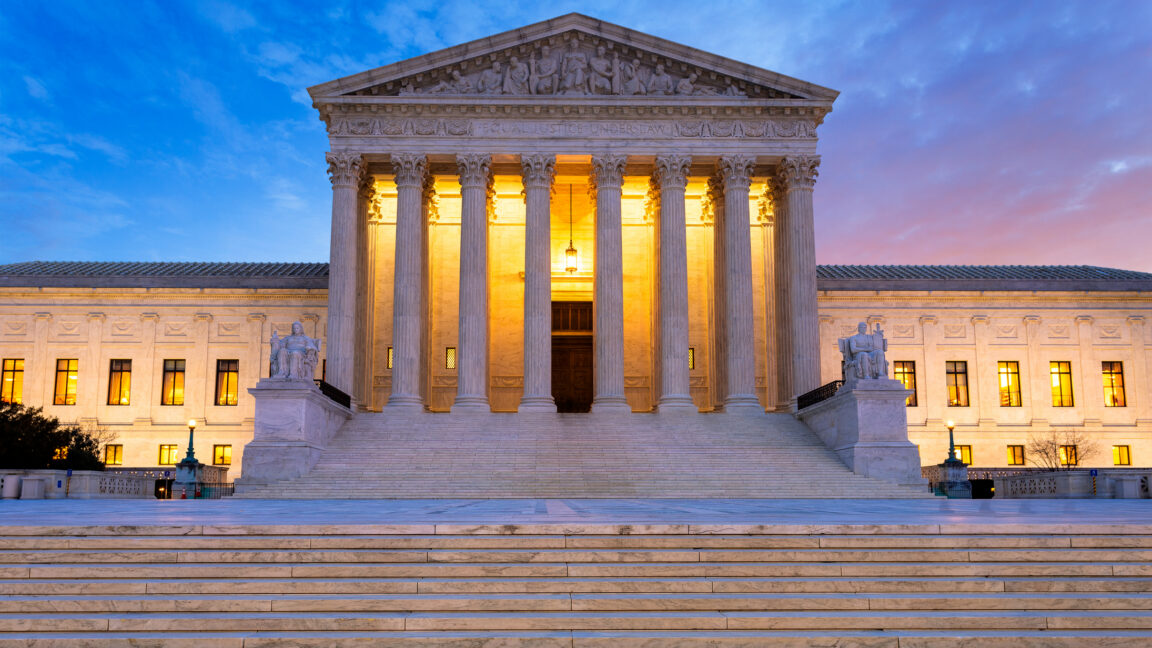
Apple has escalated its legal battle with Epic Games to the Supreme Court, asking justices to review a contempt of court finding from the lower court proceedings. The company contests that it violated an order requiring it to allow app developers to direct users to alternative payment methods outside the App Store.
The core dispute centers on Apple's 15-30 percent commission on in-app purchases. Epic sued Apple in 2020, claiming monopolistic practices. A federal judge largely sided with Apple but ordered it to permit developers to link users to external payment systems. Apple later faced contempt charges for how it implemented this requirement, with the judge finding the company made the process confusing and burdensome to users.
Apple argues the contempt ruling was "erroneous" and wants the Supreme Court to overturn it. The company maintains it complied with the order but structured implementation reasonably. Apple faces potential fines or forced changes to App Store policies if the contempt finding stands.
The case carries implications far beyond Apple and Epic. It tests judicial authority to enforce injunctions against major tech platforms and sets precedent for how regulators can compel business practice changes. The outcome affects app store economics globally, where similar fights occur in Europe under the Digital Markets Act and in South Korea under new legislation.
Epic Games sees this as continued obstruction. The company argues Apple deliberately made the alternative payment pathway obtuse to discourage its use. Epic won narrow victory in the original lawsuit but has pursued contempt charges as a way to strengthen enforcement.
The Supreme Court's decision to review the contempt finding suggests the justices see genuine legal questions worth examining. Appeals courts split on how strictly to interpret platform compliance orders. A ruling could establish whether companies have flexibility in implementing court-ordered changes or face strict liability for any inconvenience to users.
The case returns to a court already scrutinizing Big Tech business models. Apple faces separate regulatory investigations in multiple jurisd