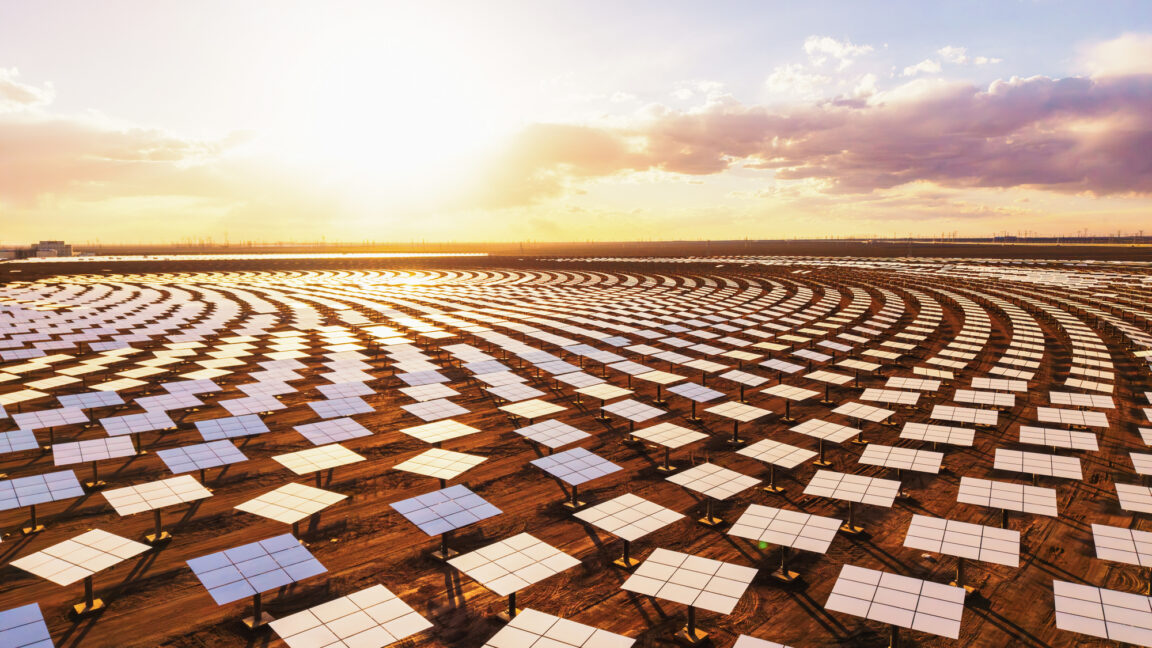
Solar and wind generation in the United States reached a historic threshold in April, producing nearly three times more electricity than coal for the first time on record. The milestone reflects the accelerating shift in America's power grid away from fossil fuels toward cleaner energy sources.
Small-scale solar installations played a crucial role in the breakthrough. Distributed solar systems, typically installed on rooftops and smaller facilities, have expanded rapidly across residential and commercial sectors. Combined with utility-scale solar farms and wind turbines, renewables generated enough electricity to substantially outpace coal's declining contribution to the grid.
The trend accelerates existing patterns. Coal generation has fallen steadily for over a decade as natural gas became cheaper and renewables costs plummeted. But reaching nearly 3-to-1 renewable generation represents a qualitative shift. For decades, coal remained America's second-largest power source after natural gas. Now renewables challenge that position.
Battery storage expansion enables this transition. As more solar and wind capacity comes online, batteries absorb surplus power during peak generation hours and release it during demand spikes. This addresses renewables' intermittency problem, making them reliable enough for grid operators to depend on.
Natural gas still leads overall generation, but its dominance faces pressure. New renewable installations continue accelerating, while coal retirements outnumber new coal plant builds by wide margins. Several states already run grids powered mostly by renewables during specific hours.
The April milestone reflects policy drivers and economics working in tandem. Federal tax credits from the Inflation Reduction Act incentivize solar and wind deployment. Meanwhile, manufacturing costs for solar panels and wind turbines have dropped 90 percent and 75 percent respectively over the past decade. Utilities increasingly choose renewables simply because they cost less than fossil fuel alternatives.
Challenges remain. Grid stability requires managing renewable variability. Land use conflicts pit energy development against conservation concerns.