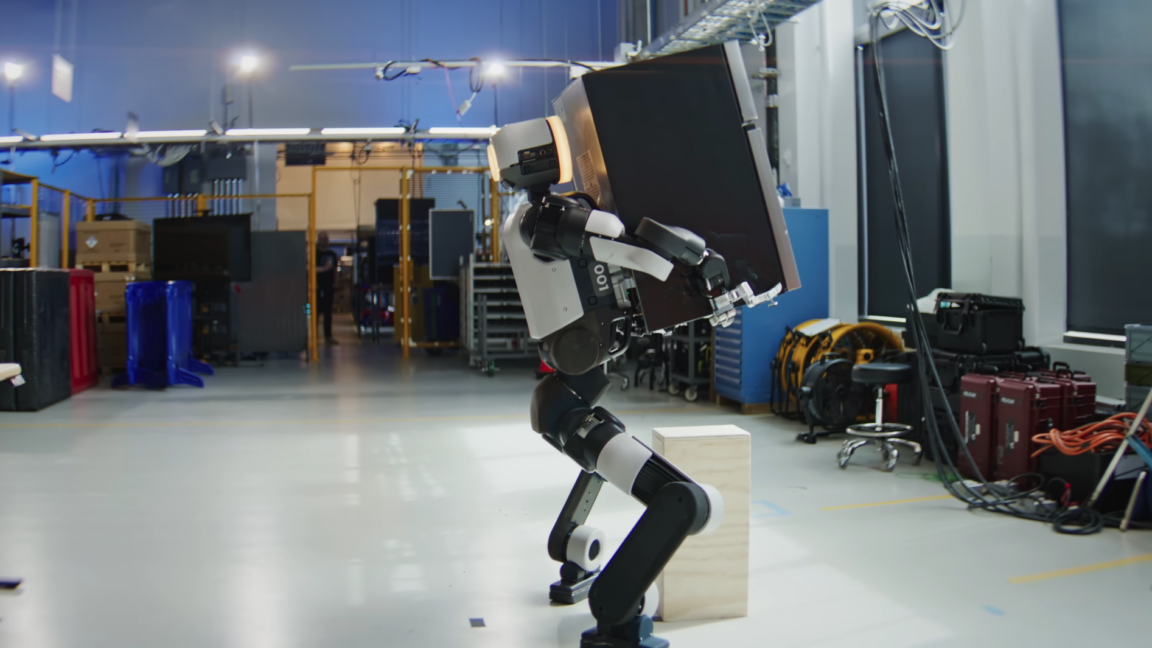
South Korea announced a trillion-dollar investment plan focused on memory chip manufacturing and humanoid robotics development, aiming to establish dominance in both sectors by 2028.
The initiative reflects Seoul's strategy to maintain its position as a global leader in semiconductor production while pivoting toward robotics. Memory chips remain foundational to AI systems, and South Korea's existing expertise in DRAM and NAND flash production positions the country to capitalize on surging demand from data centers and AI infrastructure.
The humanoid robot component targets commercial deployment within five years. South Korea has already cultivated domestic robotics expertise through companies like Hyundai-owned Boston Dynamics and government-backed research institutions. The 2028 timeline suggests concrete production goals rather than speculative research, indicating serious commitment to moving beyond prototype stages.
This spending plan responds to competitive pressure from China, which is aggressively expanding semiconductor capacity, and the United States, which is advancing both AI capabilities and robotics applications. Japan also maintains strong positions in advanced manufacturing and robotics, making the competition for these emerging markets intense.
The trillion-dollar figure encompasses both public funding and expected private sector investment. Memory chip production requires massive capital expenditure for fabrication plants, while humanoid robotics demands ongoing R&D spending across hardware, software, and integration.
South Korea's approach differs from competitors by bundling these two priorities. Memory chips power AI systems, and humanoid robots represent a major application area for advanced AI. Domestic companies like Samsung and SK Hynix would likely anchor the chip side, while robotics development spans both established players and startups.
Success depends on South Korea's ability to navigate geopolitical supply chain risks, particularly around advanced manufacturing equipment and rare materials. Taiwan's dominance in advanced chip design and manufacturing poses a separate challenge to South Korea's chip ambitions.
The 2028 deadline creates pressure to deliver results. Missing targets