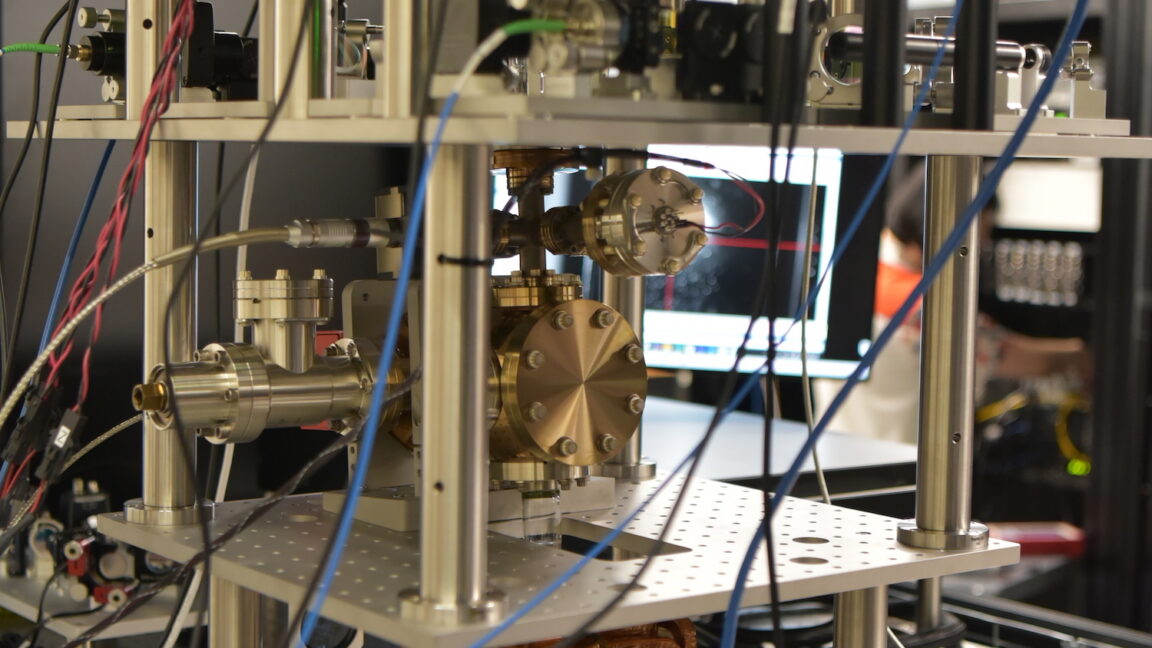
A quantum computing startup claims it will achieve a technological breakthrough that surpasses competitors, but the company faces a substantial engineering challenge to realize this ambition.
The statement centers on developing hardware that represents a dramatic departure from current quantum systems. Moving from existing architectures to this new approach demands solving problems that have eluded the industry for years. The startup's assertion lacks specific technical details about how it plans to overcome these obstacles or the timeline for deployment.
Quantum computing remains in early stages. Companies like IBM, Google, and IonQ have made incremental progress with different approaches—superconducting qubits, trapped ions, and photonic systems respectively. Each method involves tradeoffs between qubit count, coherence time, and error rates. None has achieved practical quantum advantage for meaningful real-world problems beyond narrow demonstrations.
The startup's confidence suggests either genuine innovation in qubit design, control systems, or error correction, or marketing positioning ahead of actual breakthroughs. Without specifics, the claim sits in a crowded field where similar statements surface regularly. Quantum ventures often announce leaps before delivering hardware that matches the promises.
The broader quantum landscape shows genuine progress but tempered expectations. Recent years brought consolidation (IBM acquiring Atom Computing) and realism about timelines. Most experts now estimate practical quantum advantage for industry applications remains five to ten years away, not the two or three years some promised earlier.
What distinguishes actual progress from hype comes down to published results, independent verification, and working prototypes. The startup's ability to demonstrate hardware that actually performs better than competitors will determine whether this claim becomes significant or joins countless other quantum promises that failed to materialize.