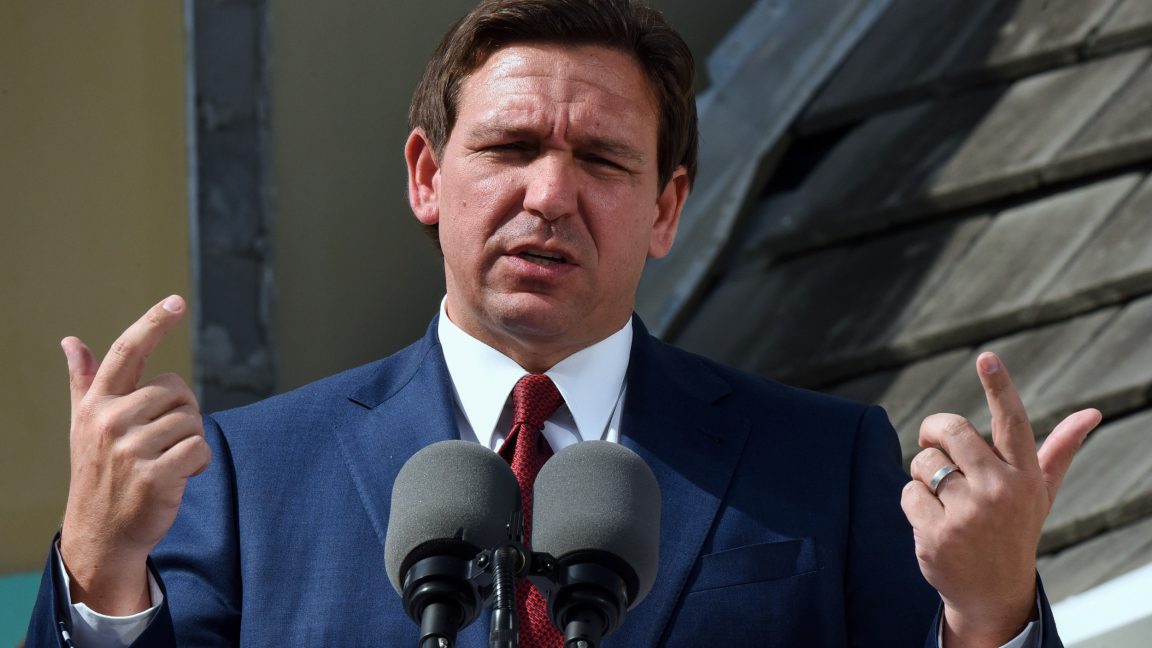
Florida Governor Ron DeSantis has signed legislation that blocks local governments from adopting net-zero emissions targets or climate action plans without state approval. The move prevents municipalities and counties from setting their own climate goals independent of state oversight.
The law eliminates local authority to pursue decarbonization initiatives and energy efficiency upgrades that many Florida cities had already begun implementing. DeSantis frames the restriction as opposition to "radical climate policies," though the measure strips decision-making power from elected local officials and replaces it with centralized state control.
Several Florida municipalities had committed to net-zero targets. Miami Beach, for example, has invested heavily in climate resilience and emissions reduction. Tampa and other coastal cities face direct threats from rising sea levels and increased flooding. The ban prevents these communities from addressing climate risks through their own governance structures.
The legislation creates a regulatory environment where local governments must now petition the state for permission to pursue climate initiatives. This centralizes environmental policy under state leadership at a moment when many coastal Florida communities face accelerating climate impacts including saltwater intrusion, flooding, and infrastructure vulnerability.
Legal experts note the law raises questions about local sovereignty and municipal authority to address regional environmental challenges. Environmental advocates argue the ban removes tools that communities use to attract green business investment, reduce operating costs through energy efficiency, and prepare for climate-related disasters.
The measure reflects a broader pattern of state-level climate policy restrictions in Republican-led states. Florida's ban stands out because it specifically targets local climate action rather than simply rejecting state-level decarbonization mandates.
The law takes effect as Florida faces documented climate hazards. The state experiences "sunny day" flooding during high tides, saltwater contamination of aquifers, and increasing hurricane intensity. Coastal property values and insurance costs already reflect these risks.
Local officials and business leaders in climate-vulnerable communities have expressed concern that the restriction hampers their ability to mi