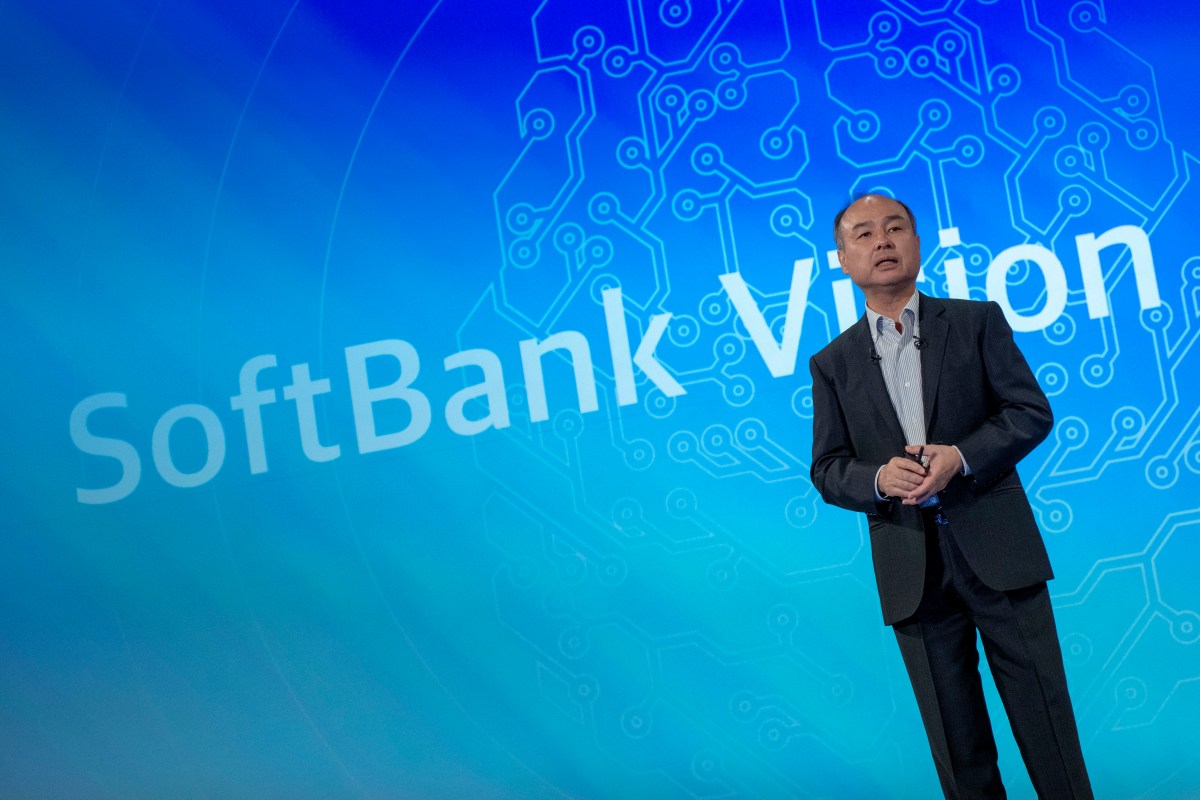
SoftBank CEO Masayoshi Son isn't alone in his skepticism about Elon Musk's orbital data center concept. Industry analysts and executives are questioning whether placing computing infrastructure in space makes economic sense.
Musk has pitched orbital data centers as a solution to Earth-based power constraints and cooling challenges. The concept relies on Starship's reusability to launch massive server farms into orbit, where they could theoretically operate in the vacuum's natural cooling environment. Proponents argue this bypasses terrestrial energy bottlenecks that limit AI training capacity.
The pushback centers on several practical problems. Launch costs remain astronomical despite SpaceX's progress on reusability. Current orbital missions cost millions per flight, making the ongoing operational expenses of maintaining space-based infrastructure prohibitively expensive compared to ground-based data centers with established supply chains and redundancy systems. Cooling in space requires its own engineering solutions. Radiation exposure degrades electronics faster in orbit. Latency for data transmission between space and ground users adds complexity to real-time applications.
Son's public remarks aligned with these technical concerns, questioning whether the economics actually work. Other industry figures have echoed the skepticism. Building redundant data centers on Earth with renewable energy sources remains cheaper and more reliable than investing in nascent orbital infrastructure.
The vision isn't entirely dismissed. Some researchers see niche applications where orbital computing might prove useful, particularly for satellite operations or space-based services. But as a mainstream solution for AI's power demands, the consensus leans toward incremental improvements in terrestrial infrastructure. Advanced cooling systems, efficient chip design, and renewable energy integration address the same problems without the engineering complexity of space operations.
Musk's history of audacious pitches often influences investor sentiment regardless of near-term feasibility. The orbital data center concept serves his broader vision of making humanity multiplanetary. Whether it becomes a genuine business