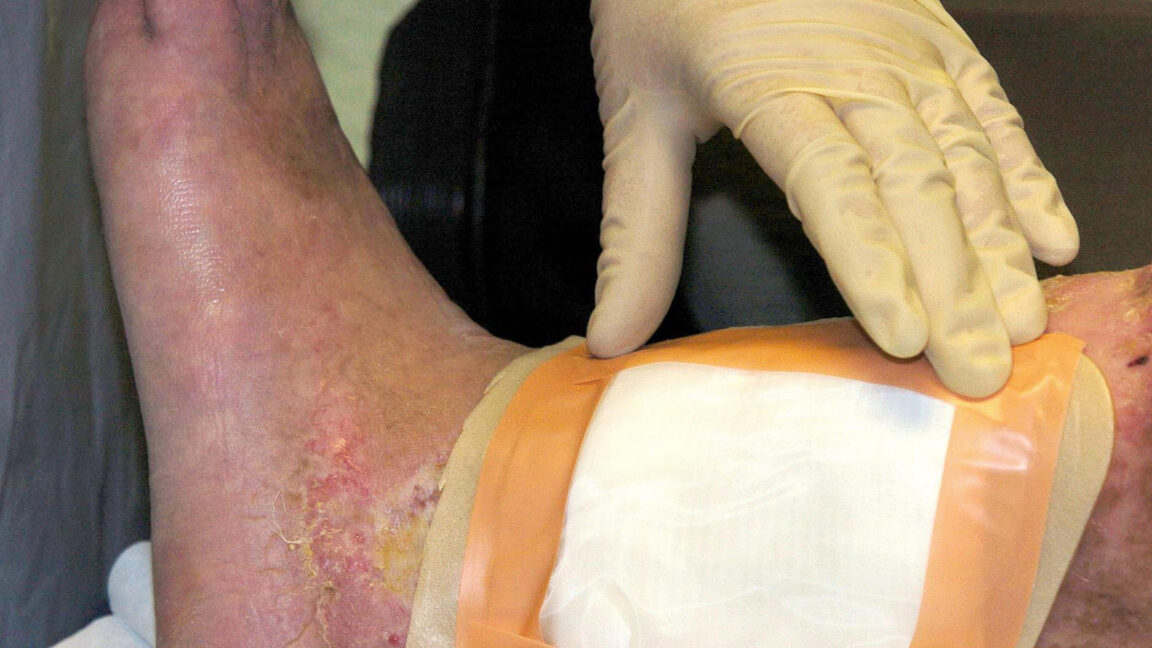
The FDA has approved a second species of carcass-eating fly for use in maggot therapy, expanding treatment options for chronic wounds that resist conventional healing. The newly cleared species joins an existing approved option, giving clinicians flexibility in selecting larvae for debridement of necrotic tissue.
Maggot therapy works through a simple mechanism. Sterile fly larvae consume dead flesh while secreting antimicrobial compounds that reduce bacterial load and promote healing. The approach works particularly well on diabetic ulcers, venous ulcers, and pressure wounds where standard wound care fails. Patients report pain reduction and faster tissue regeneration compared to traditional debridement methods.
The evidence base remains thin, however. Clinical trials supporting maggot therapy often involve small patient populations and lack the rigorous design of modern pharmaceutical studies. Most data comes from observational studies and case reports rather than large randomized controlled trials. This gap explains why the therapy remains underutilized despite its proven track record spanning centuries.
Cost represents another barrier. Maggot therapy requires specialized breeding, sterilization, and careful application. Insurance coverage varies widely, limiting patient access. Standard wound care remains cheaper upfront, even when it fails repeatedly.
The approval process itself reflects pragmatism. Maggots occupy an odd regulatory niche. They're neither drugs nor devices in the traditional sense, yet the FDA oversees them as medical products. The agency applies less stringent evidence standards to biological therapies with long safety histories.
For skeptical physicians, the therapy's oddness creates resistance. Training programs rarely cover maggot therapy, so many doctors lack familiarity with application techniques. Patient acceptance varies too. Some welcome the approach after failed conventional treatments. Others recoil at the imagery despite the clinical benefits.
The FDA's approval of a second species removes supply constraints that previously limited availability. Competition between producers could lower costs and improve