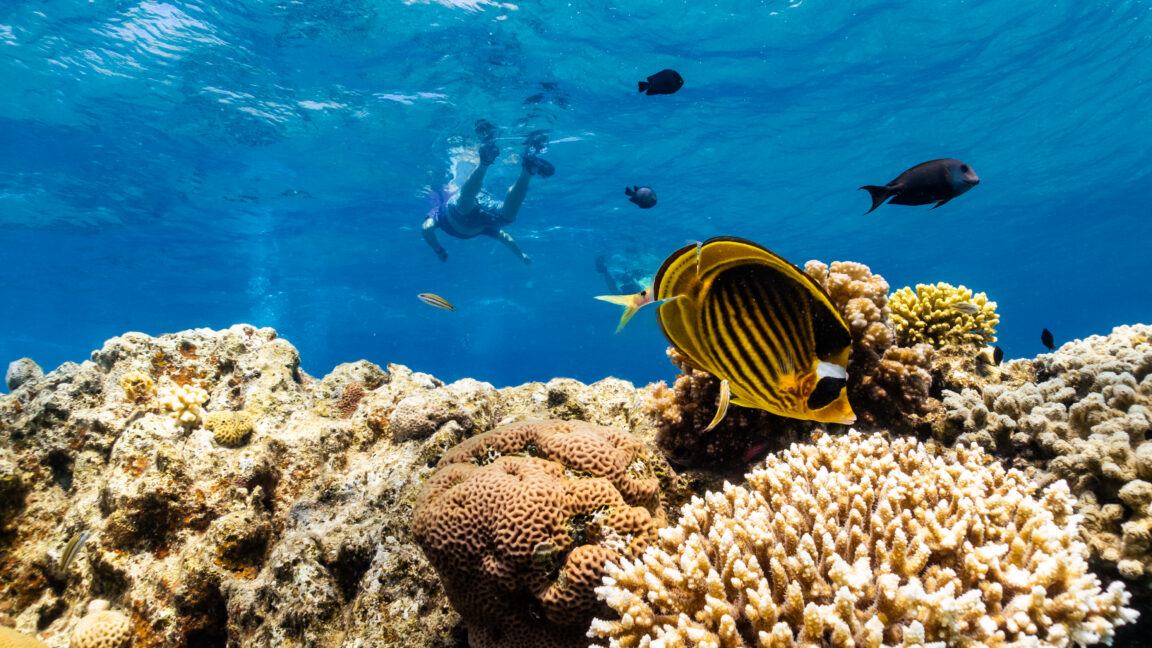
Scientists are identifying coral populations that survive in warmer waters, betting these heat-resistant strains could restore degraded reefs as ocean temperatures rise. Researchers scan the globe for reefs that naturally withstand elevated temperatures, documenting which species and genetic variants thrive in hotter conditions.
The strategy hinges on a simple premise: if some corals tolerate warming better than others, scientists can study their traits and potentially use them to repopulate struggling reefs. This approach sidesteps waiting for evolution to move at its own pace. Instead, researchers actively select for heat tolerance.
Coral bleaching kills reefs when water temperatures exceed species-specific thresholds, usually 1 to 2 degrees Celsius above historical summer maximums. Bleaching strips corals of symbiotic algae that provide energy, turning them white. Prolonged bleaching causes death. Global warming has intensified these events, with 2023 and 2024 marking some of the worst bleaching years on record.
The "heat-refuge" approach identifies reefs in naturally warm regions, upwelling zones, or areas with local temperature variability. Some corals in the Red Sea, parts of the Indian Ocean, and the Caribbean show enhanced heat tolerance. Scientists collect samples, study their genetic makeup, and breed heat-resistant strains in labs.
The technique carries risks. Transplanting corals adapted to specific local conditions into different environments could fail. Genetic diversity matters. Using too few lineages risks creating vulnerability to disease or other stressors. Researchers acknowledge these trade-offs but argue the status quo, where many reefs die, requires action.
This work complements other restoration efforts like coral gardening and artificial reef structures. It does not replace emissions cuts. Ocean acidification and other climate impacts still threaten corals even if heat tolerance improves. But as warming accelerates and reef damage