Blue Origin has begun reconstruction efforts at its Launch Complex 1 facility in West Texas following the December New Shepard booster failure that destroyed the pad's infrastructure. The company is rebuilding the launch tower and ground support equipment to resume suborbital operations. The timeline for completion remains unclear, but Blue Origin considers the pad essential for testing new vehicle systems before scaling to orbital missions.
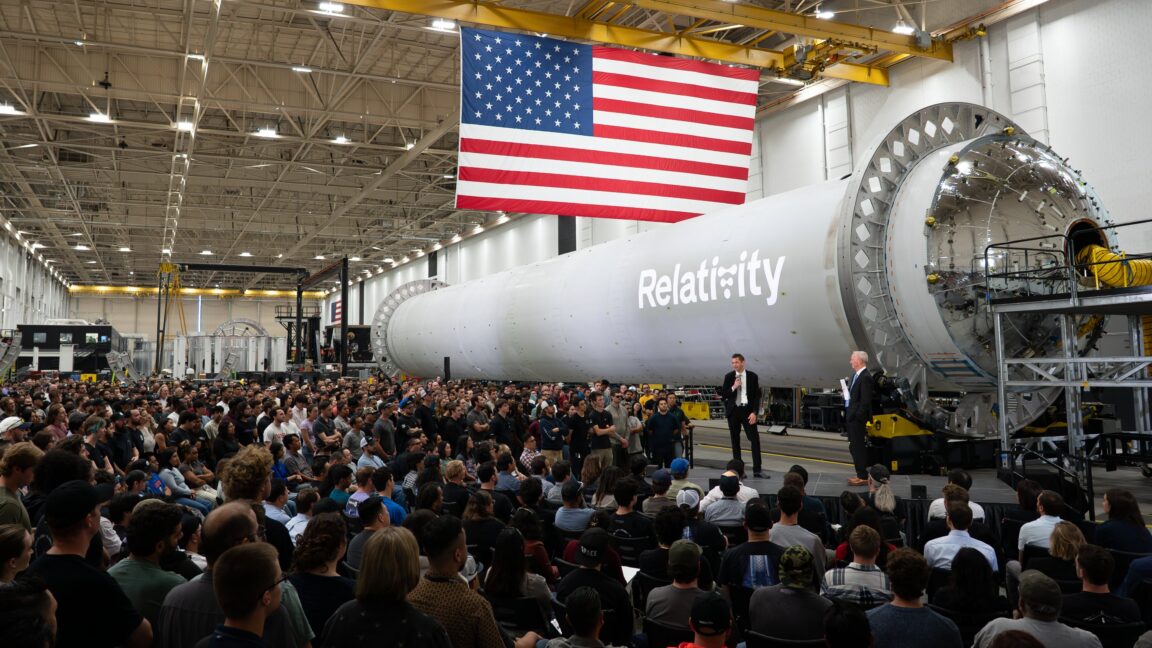
Relativity Space, the 3D-printed rocket company, announced plans to establish a manufacturing and launch facility focused on Mars-capable vehicles. The company plans to leverage its metal additive manufacturing technology to produce rockets tailored for deep space missions. This move reflects Relativity's broader strategy to move beyond point-to-point cargo delivery toward interplanetary ambitions.
Separately, a French launch startup is retiring its rocket's name following a trademark dispute. The company determined that rebranding was simpler than pursuing legal action over intellectual property rights. This reflects growing complexity in the commercial space industry, where multiple players operate in overlapping markets and naming conventions can create competitive friction.
These developments illustrate different phases of commercial spaceflight maturation. Blue Origin recovers from infrastructure damage through reconstruction. Relativity pivots toward advanced manufacturing and deep space applications. The French startup navigates legal obstacles in branding. Each scenario reveals how the industry balances technical ambition against operational realities, whether physical infrastructure repair, technology scaling, or regulatory compliance.
The space sector remains capital-intensive and schedule-sensitive. Launch pad reconstruction directly impacts flight cadence. Manufacturing innovation requires substantial investment but enables competitive differentiation. Trademark conflicts, though seemingly minor, consume management resources and force rebranding decisions. These factors collectively shape which companies survive consolidation and which secure sustained funding in an increasingly crowded market for launch services.