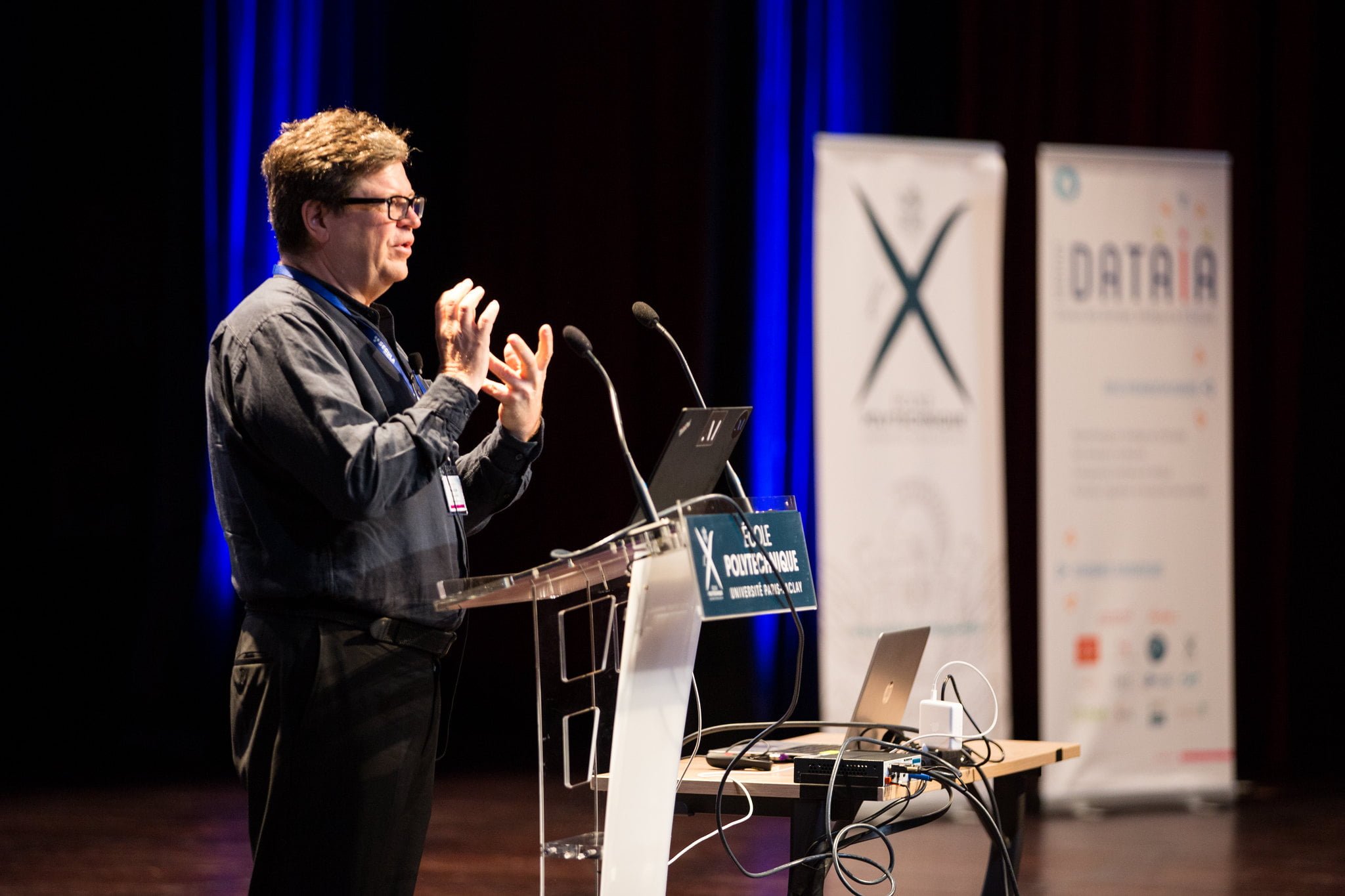
Yann LeCun, Meta's chief AI scientist, has publicly warned that AI labs like OpenAI and Anthropic face imminent financial collapse due to unsustainable business models. He argues these companies operate on investor subsidies while their compute costs remain stubbornly high, creating what he calls a "big bubble explosion" scenario.
LeCun's specific complaint centers on economics. Training and running large language models requires massive GPU spending that current revenue streams cannot justify. OpenAI, Anthropic, and similar labs burn through billions annually on infrastructure while monetizing their products at rates insufficient to cover expenses. Without dramatic efficiency improvements or cost reductions, he contends these operations will crash when investor patience expires.
The timing of LeCun's warning carries irony. His own startup, AMI Labs, just secured $1 billion in funding to pursue an alternative AI approach. This positions him as both critic and competitor, casting doubt on whether his analysis reflects genuine concern or market positioning. Still, his track record warrants attention. LeCun invented convolutional neural networks and shaped modern deep learning, giving his technical opinions weight.
The underlying tension LeCun identifies is real. Current large language models require enormous computational resources to train and deploy. Inference costs scale with user demand. Most AI labs haven't demonstrated paths to profitability that justify their valuation multiples or cash burn rates. OpenAI's reported $80 billion valuation and Anthropic's $5 billion raise suggest investor betting on future breakthroughs rather than current metrics.
However, LeCun's "bubble" framing oversimplifies. Several dynamics could prevent collapse. Efficiency improvements in model training and inference continue steadily. Enterprise pricing for AI services has proven stronger than expected. Microsoft's integration of AI into Office products and cloud services shows revenue paths traditional VCs may overlook. Consolidation remains