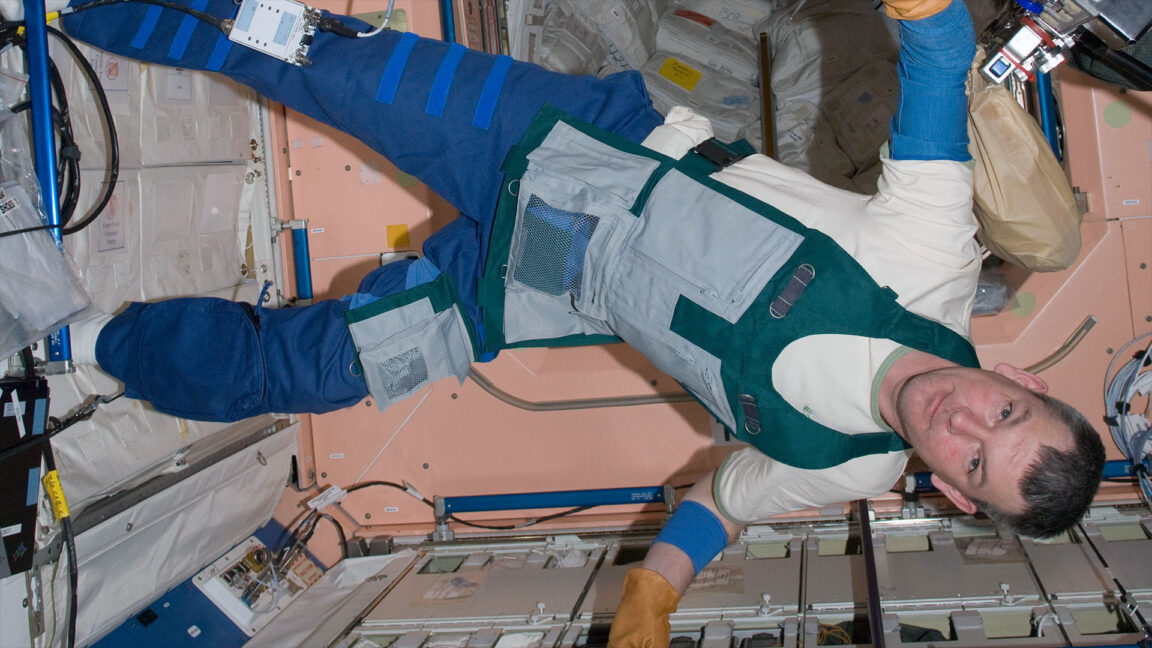
Oleg Kononenko, a Russian cosmonaut, has died. He holds the record for the longest cumulative time in space among all humans who have lived aboard the International Space Station: 322 days across multiple missions.
Kononenko completed two full expeditions to the ISS and conducted two spacewalks during his career. His death marks a significant loss to the spacefaring community and represents the end of a career that pushed the boundaries of human endurance in microgravity.
The exact circumstances and cause of death have not been disclosed in available reporting. Kononenko's record-setting tenure on the ISS underscores the physical and psychological demands of long-duration spaceflight. His 322 days in space exceeded previous records and demonstrated human capability for extended periods in orbital environments.
His spacewalk experience added another layer to his achievements. Extravehicular activity, or EVA, remains among the most dangerous activities in space exploration. Two successful spacewalks during his missions showcased his technical expertise and nerves required for this specialized work.
Kononenko represented the Russian space program during an era of international cooperation on the ISS, where Russian cosmonauts and American astronauts worked alongside colleagues from other nations. His contributions to station operations, experiments, and maintenance reflected decades of training by Russia's space agencies.
The loss highlights the risks inherent in space exploration and the toll that extended microgravity exposure places on the human body. Cosmonauts and astronauts who spend months aboard the ISS undergo rigorous medical screening and rehabilitation after missions to recover from bone density loss, muscle atrophy, and fluid redistribution effects.
His record tenure will likely stand as a benchmark in spaceflight history. Future long-duration missions, whether to the ISS or to emerging commercial space stations, will build on knowledge gained from veterans like Kononenko