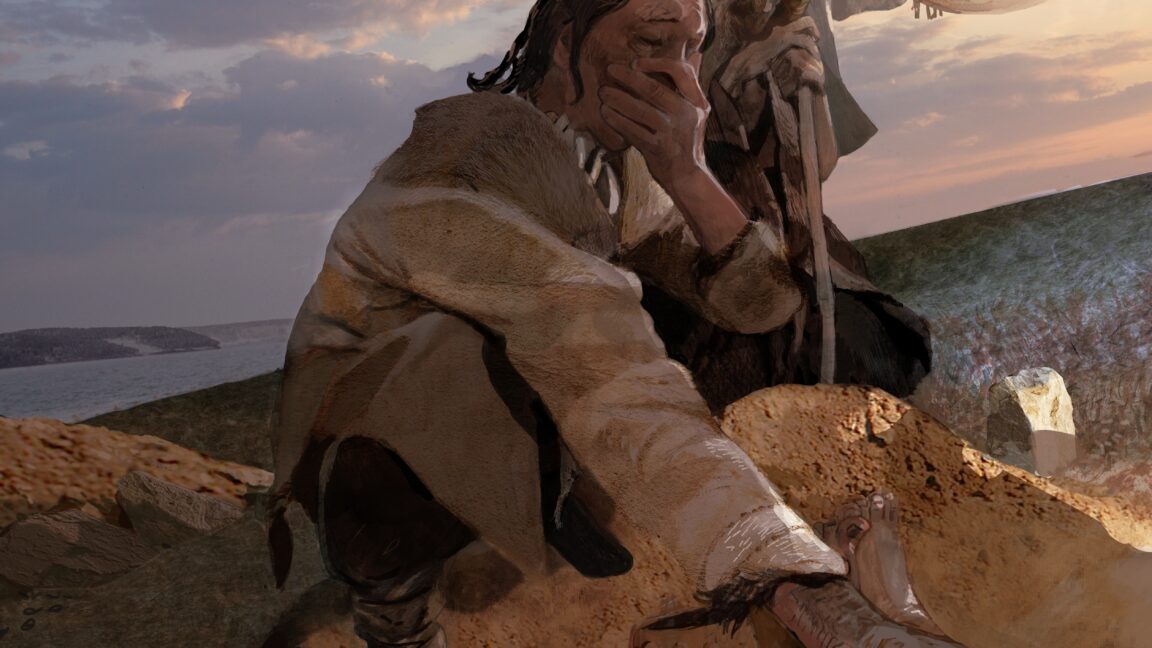
# Hunter-gatherers in Siberia died of a plague outbreak 5,500 years ago
Researchers have identified plague bacteria in the remains of hunter-gatherers who died in Siberia roughly 5,500 years ago, pushing back the known timeline of plague transmission to humans and challenging existing theories about disease spread during the Neolithic period.
The discovery rewrites assumptions about when plague became a human threat. Previously, scholars attributed plague outbreaks primarily to the Neolithic Transition, the period when humans shifted from hunting and gathering to agricultural settlement. That theory held that domesticated animals introduced pathogens to human populations. The Siberian findings demolish that narrative.
The plague-infected remains came from an archaeological site in the Sakha Republic. DNA analysis revealed Yersinia pestis, the bacterium responsible for plague, in multiple individuals from the hunter-gatherer population. These people had no domestic animals and lived entirely through hunting and gathering, yet they contracted and died from the disease.
This suggests plague circulated among wild animal populations far earlier than previously documented in human communities. The Siberian hunter-gatherers likely contracted the disease through contact with infected wildlife, possibly rodents or their fleas. The pathogen then spread person-to-person within their community.
The finding has broader implications for understanding human disease history. It indicates that plague emerged as a human pathogen independent of agricultural settlement patterns. This challenges the agricultural transition hypothesis and suggests that infectious disease pressure on human populations existed long before civilization developed.
Researchers now face new questions about plague's reservoir in wild animal populations across Eurasia and how transmission to humans occurred during prehistory. The discovery also highlights the value of ancient DNA analysis in reconstructing microbial history, revealing disease dynamics invisible in the archaeological record alone.