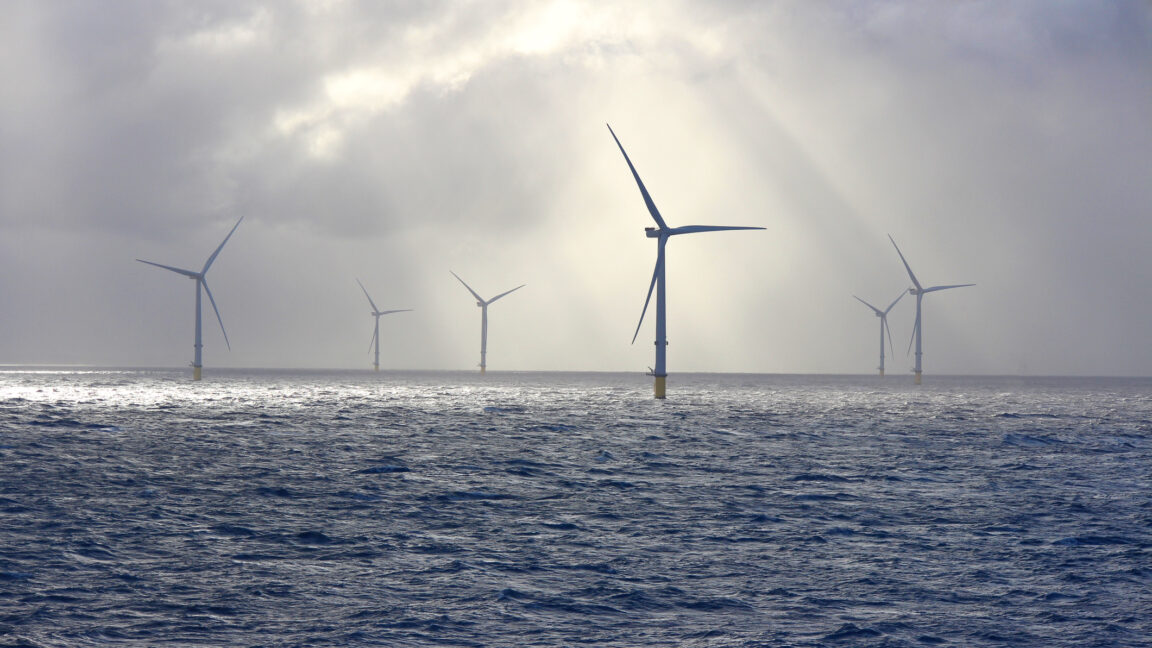
The Trump administration has effectively stopped its legal challenges against wind and solar energy projects, marking a reversal from its earlier opposition to renewable power expansion. Legal defeats in federal courts undermined the administration's ability to block wind farms and solar installations that were already in development or approved.
Clean energy capacity has continued to grow despite these efforts. Wind power now generates a substantial portion of electricity in states like Texas and Iowa, where turbine installations have multiplied across the landscape. Solar output has similarly accelerated, driven by falling equipment costs and state-level incentives that operate independently of federal policy.
The administration's shift reflects practical constraints. Federal courts rejected arguments that wind turbines posed unacceptable environmental or aesthetic concerns. Existing power purchase agreements and renewable energy mandates in multiple states created legal frameworks the administration couldn't easily dismantle. Companies had already invested billions in projects backed by tax credits and long-term contracts.
Clean energy now accounts for over 20 percent of U.S. electricity generation. Renewables added more capacity than fossil fuels in 2023 and 2024, a trend driven by economics rather than environmental activism. Wind turbines have become cheaper to build and operate than new coal or gas plants in many regions. Battery storage technology has improved, addressing earlier concerns about intermittency.
The administration previously pursued policies aimed at protecting coal and natural gas interests, including attempts to weaken environmental review processes and challenge wind farm permits. These efforts faced organized legal opposition from environmental groups and states with renewable energy commitments.
The practical reality of energy markets appears to have prevailed over ideological positioning. Major corporations, utilities, and investors continue backing wind and solar projects because they deliver returns. Texas, a Republican-dominated state, leads the nation in wind capacity generation. Investment in renewables continues across red and blue states alike.
This outcome suggests that renewable energy has moved beyond partisan debate into the territory of entrenched economic