SpaceX's valuation hit $2.6 trillion in secondary market trading, temporarily surpassing Amazon's market cap. The astronomical jump represents a $1 trillion increase since the company's shares began trading on Friday.
The surge reflects investor appetite for space infrastructure and Elon Musk's vision for satellite internet and Mars exploration. Secondary market valuations, however, differ from public stock prices. Trading occurs on private share platforms where volumes remain thin and prices can swing dramatically. SpaceX has not undergone an initial public offering.
The $2.6 trillion figure emerged from trading on platforms like Forge and Carta, which facilitate transactions in private company shares. These markets lack the liquidity and regulatory oversight of public exchanges. A single large transaction or a cluster of trades at elevated prices can push valuations to eye-catching levels without reflecting a company's true market value.
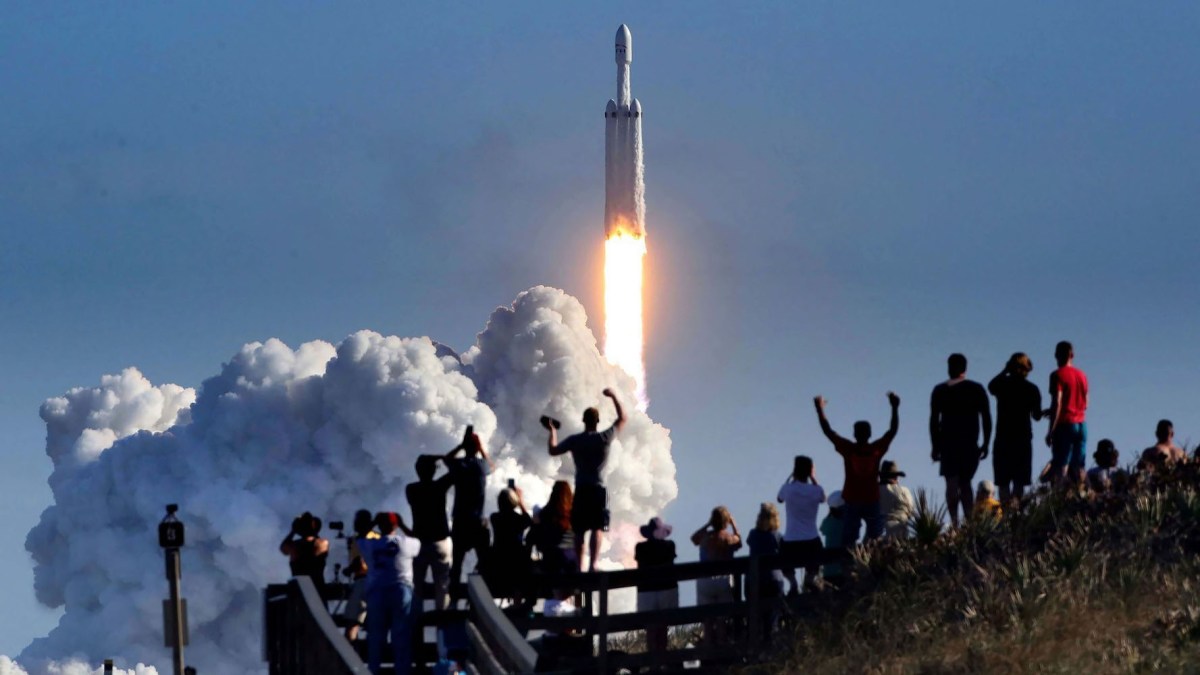
Context matters here. SpaceX generates substantial revenue from Starlink satellite internet and commercial launch services for NASA and the Department of Defense. The company operates the only operational heavy-lift reusable rocket, giving it significant competitive advantages. Yet secondary market valuations often detach from fundamentals, driven instead by sentiment and speculation.
Amazon's market cap hovers around $2.4 trillion in traditional public markets. Comparing SpaceX's brief secondary market valuation to Amazon's established public valuation applies different measurement standards. SpaceX's number reflects what some investors paid in isolated trades, not a consensus market price across millions of shares.
The valuation bump signals confidence in SpaceX's long-term prospects and Musk's ability to execute on ambitious goals. Starlink's commercial potential, coupled with SpaceX's dominance in heavy-lift launch, positions the company for continued growth. Government contracts provide revenue stability while private satellite and internet services offer expansion opportunities.
SpaceX remains privately held, meaning most