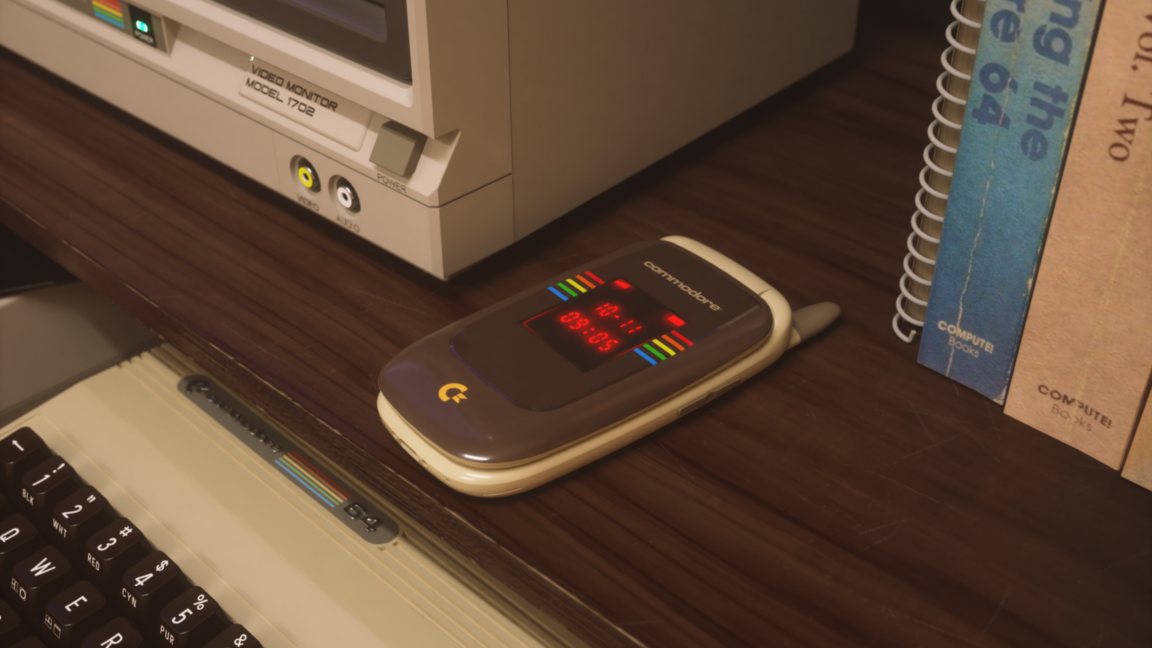
Commodore released the Callback 8020, a flip phone designed around a simple premise: users pay for hardware rather than becoming ad targets. The device blocks social media apps and web browsers entirely, forcing users to rely on calls, texts, and basic utilities.
The phone runs a custom operating system that restricts functionality to messaging, calling, and productivity tools like a calculator and notepad. There's no app store. No Instagram. No TikTok. No algorithms deciding what content fills the screen.
Commodore positions this as a direct answer to smartphone surveillance capitalism. Most modern phones generate revenue through data collection and ad targeting. Users exchange their attention and personal information for "free" services. The Callback inverts this model. Customers buy the device outright and own their experience without platforms mining their behavior.
The flip form factor adds practical appeal. It fits pockets easily and the physical closure creates a natural off-switch. Closing the phone means closing the world out, not just locking a screen.
This strategy targets a growing demographic frustrated with phone addiction and data privacy. Tech companies from Apple to Samsung have acknowledged these concerns. Apple emphasizes privacy in marketing. Android offers granular permissions. But Commodore strips the problem at the source by removing the temptation entirely.
The Callback 8020 joins a niche market of distraction-free phones. Light Phone II and Punkt MP02 pursue similar goals. But Commodore brings brand recognition. The company dominated computing in the 1980s and 1990s before fading into obscurity. This phone attempts a rebrand as a privacy-focused hardware maker.
The real question isn't whether such phones work technically. It's whether enough people will abandon smartphones to make the business viable. Most consumers remain locked into ecosystems. Ditching a smartphone means losing navigation, communication apps, and countless daily conveniences.