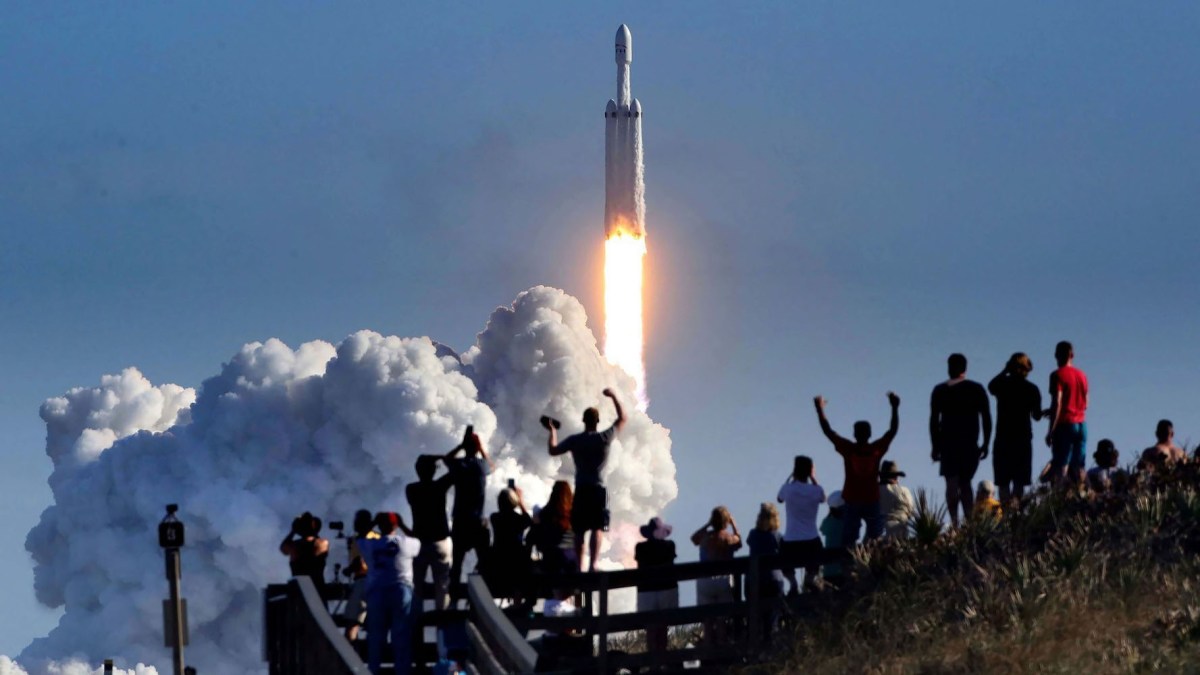
SpaceX's valuation surged to $2.7 trillion after secondary share trading began Friday, surpassing Amazon's market cap and adding $1 trillion in value in days. The spike reflects investor appetite for the company's space infrastructure ambitions, particularly its Starlink satellite internet network and plans for Mars exploration.
The valuation jump positions SpaceX above Amazon, which trades around $2.3 trillion. Elon Musk's company operates the world's most active rocket launch provider, with Starlink serving over 6 million global subscribers. Recent government contracts for national security missions and NASA partnerships have bolstered investor confidence.
The $2.7 trillion figure stems from secondary market trading, where existing shareholders sell shares rather than SpaceX issuing new equity. This mechanism bypasses traditional IPO requirements, allowing investors to trade stakes without the company raising capital directly. The rapid valuation increase reflects market enthusiasm rather than fundamental changes to SpaceX's operations or revenue.
SpaceX's business model combines commercial launch services, satellite internet subscriptions, and government contracts. The company achieved over 100 orbital launches in 2024, cementing its dominance in the commercial space sector. Starship, its fully reusable super-heavy rocket system, remains in development with incremental test flights demonstrating progress toward operational status.
However, the valuation milestone arrives amid regulatory questions about spectrum allocations for Starlink and orbital debris concerns. The Federal Communications Commission oversees SpaceX's broadband operations, while international bodies monitor constellation density in low Earth orbit.
Secondary trading provides a valuation signal but doesn't reflect SpaceX's official public valuation, which remains tied to its last major funding round. The company has resisted traditional IPO routes, instead relying on secondary markets and private capital raises to establish market pricing.
The trillion-dollar jump in days highlights