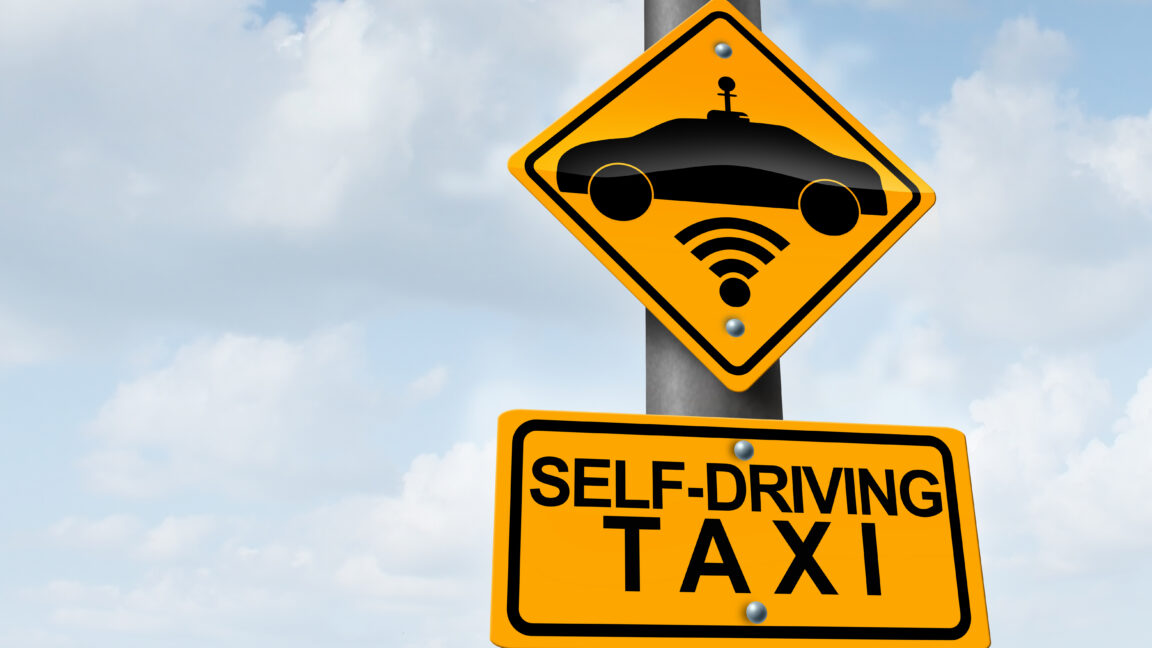
Intel's Mobileye is launching an independent robotaxi service in the US using its Moovit platform, targeting a city rollout in 2027. The move marks Mobileye's shift from providing autonomous driving technology to other companies toward operating its own ride-hailing fleet.
Moovit, Mobileye's urban mobility platform acquired in 2020, combines real-time transit data with autonomous vehicle capabilities. The company plans to deploy self-driving vehicles without a steering wheel or pedals, operating under Mobileye's direct control rather than through partnerships with traditional automakers or ride-hailing platforms like Uber or Lyft.
The 2027 timeline positions Mobileye to compete with established robotaxi operators like Waymo, which operates autonomous taxi services in San Francisco and Phoenix. Cruise, previously General Motors' autonomous unit, faced significant setbacks after a series of safety incidents and operational challenges.
Mobileye has built its reputation as an autonomous driving technology supplier, providing vision and AI systems to multiple automakers. This pivot to operating a standalone service changes that business model. The company brings years of data from its computer vision systems and transit platform, but launching a consumer-facing robotaxi service introduces new operational and regulatory complexities absent from its current supplier role.
Mobileye has not disclosed which US city will host the initial launch. Regulatory approval and infrastructure readiness will determine timing. Cities like Austin, Las Vegas, and others have become testing grounds for autonomous vehicles, with varying regulatory frameworks.
The robotaxi market remains contested. Waymo commands first-mover advantage with expanding operations, while Tesla plans to launch its own robotaxi service using full self-driving technology. Mobileye's entry adds another heavyweight contender to an increasingly crowded field.
Success depends on proving safety performance comparable to human drivers, managing insurance