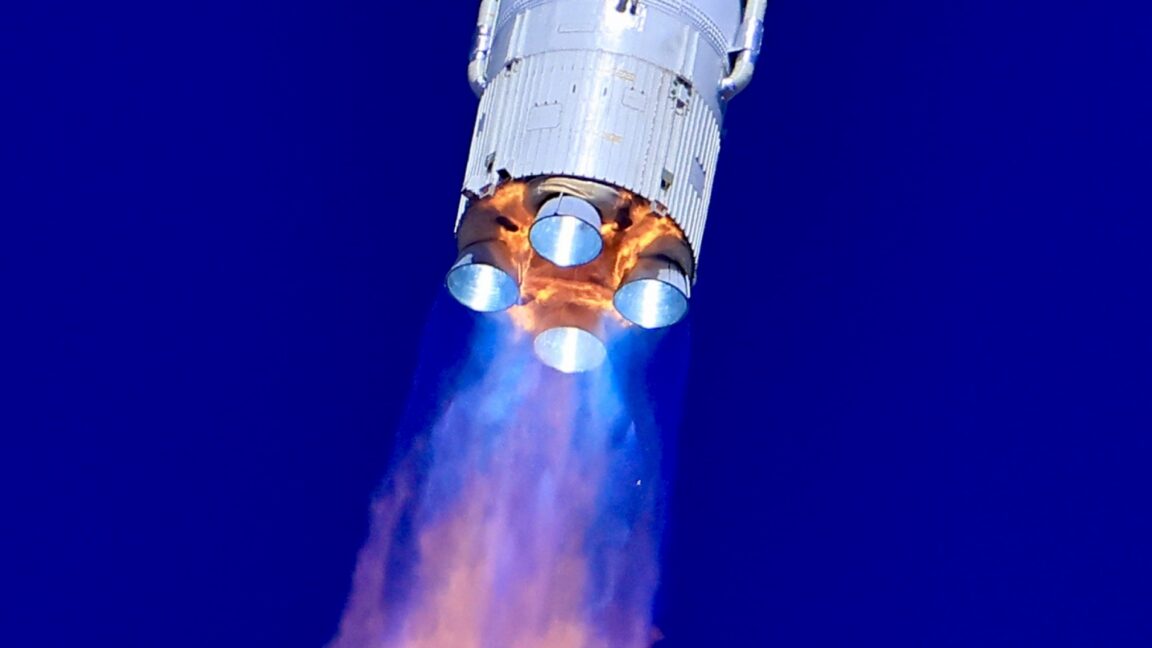
A Chinese Long March rocket broke apart in low Earth orbit, creating 100 to 150 new fragments of space debris near SpaceX's Starlink satellite constellation. The event underscores escalating risks from uncontrolled spacecraft disintegration in one of the most crowded orbital regions.
Space debris tracking systems detected the breakup of the rocket body in the weeks following the incident. The fragments dispersed across altitudes where Starlink operates, roughly 500 to 550 kilometers above Earth. This proximity raises collision concerns for the thousands of active Starlink satellites operating in that zone.
The breakup likely resulted from structural failure, though Chinese officials have not disclosed formal details about the rocket or launch date. Long March rockets have experienced similar failures before, including a 2020 core stage that reentered the atmosphere over the Atlantic Ocean, drawing international criticism over uncontrolled debris falls.
Each new fragment increases the statistical probability that Starlink or other active satellites encounter debris at speeds exceeding 25,000 kilometers per hour. At such velocities, even paint flecks can damage spacecraft. Larger debris poses existential threats to satellites and creates secondary fragmentation events through collisions.
The incident reflects broader orbital congestion challenges. Low Earth orbit hosts roughly 8,000 tracked objects over 10 centimeters, but an estimated 1 million smaller pieces exist undetected. Chinese and Russian spacecraft breakups account for a substantial portion of this debris. The U.S. military's Space Force tracks active threats, but detection gaps remain.
SpaceX employs active debris avoidance protocols and has maneuvered Starlink satellites to dodge tracked objects hundreds of times. However, evasion becomes statistically impossible as debris populations grow. Industry experts argue that stricter launch practices, including mandatory deorbiting procedures and better rocket stage design, are essential to