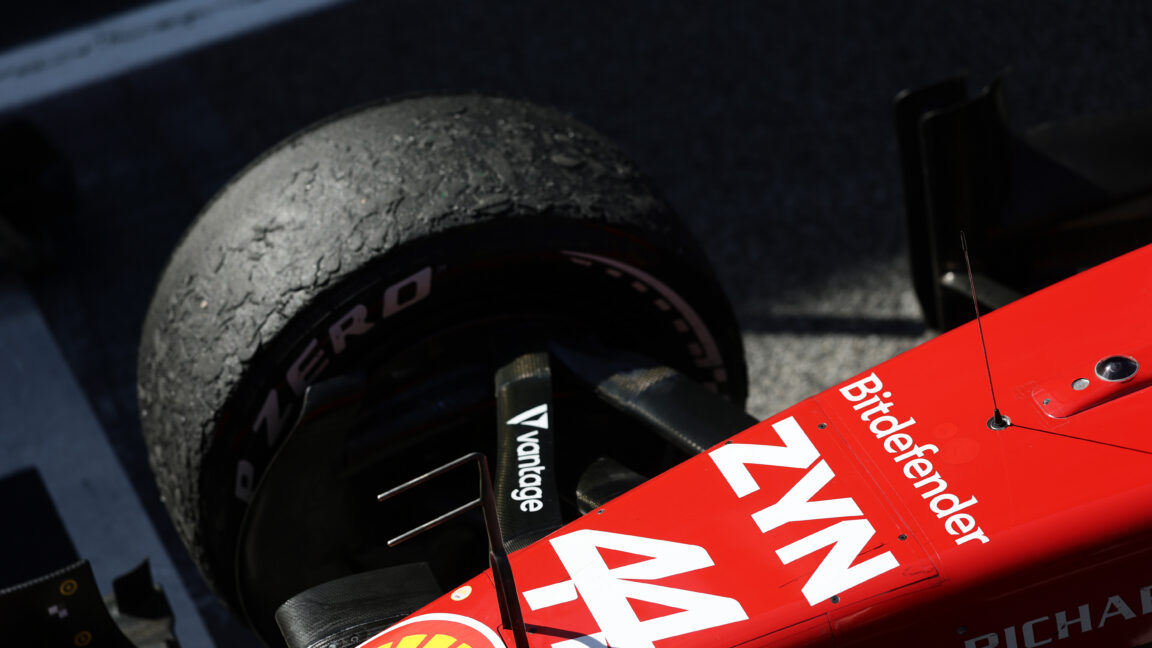
Ferrari arrived at the Spanish Grand Prix armed with substantial technical upgrades, seeking to capitalize on momentum and close the gap to rivals in the championship battle. The upgrades represented a significant engineering push from Maranello, signaling the team's commitment to fighting for positions in what has become an increasingly competitive season.
The Barcelona race delivered exactly what Formula 1 fans crave. Strategic pit stop timing, tire management decisions, and fuel conservation played decisive roles in the outcome. These elements showcase how modern F1 racing remains fundamentally about intelligent decision-making under pressure, not just raw speed or cutting-edge technology.
Ferrari's new parts targeted aerodynamic efficiency and mechanical performance. The team had analyzed data from previous races and identified specific weaknesses in their package. This methodical approach to development reflects how F1 operates in the 2024 season. Teams iterate rapidly, bring upgrades almost weekly, and test their effectiveness immediately in live competition.
The strategy element that dominated the weekend centered on one critical variable: when to pit. Teams had to balance track position against tire degradation. Drivers had to manage their tires' performance window while monitoring competitors' moves. Pit wall strategists communicated in real time with drivers, making split-second calls that could decide the race.
Spain's circuit layout amplifies these strategic considerations. Long straights demand efficiency. Medium-speed corners stress tire management. The dry conditions meant no weather wildcards. In this environment, the team that executed its pit window strategy most precisely gained the advantage.
Ferrari's upgrades alone did not guarantee success. Technical advantage means nothing if strategy execution falters. Conversely, perfect strategy cannot overcome a fundamentally slow car. The Barcelona result demonstrated that the best races happen when both elements align properly.
This race proved that Formula 1 remains a thinking sport. Computers calculate fuel consumption and tire temperatures. Engineers make split-second strategy decisions.