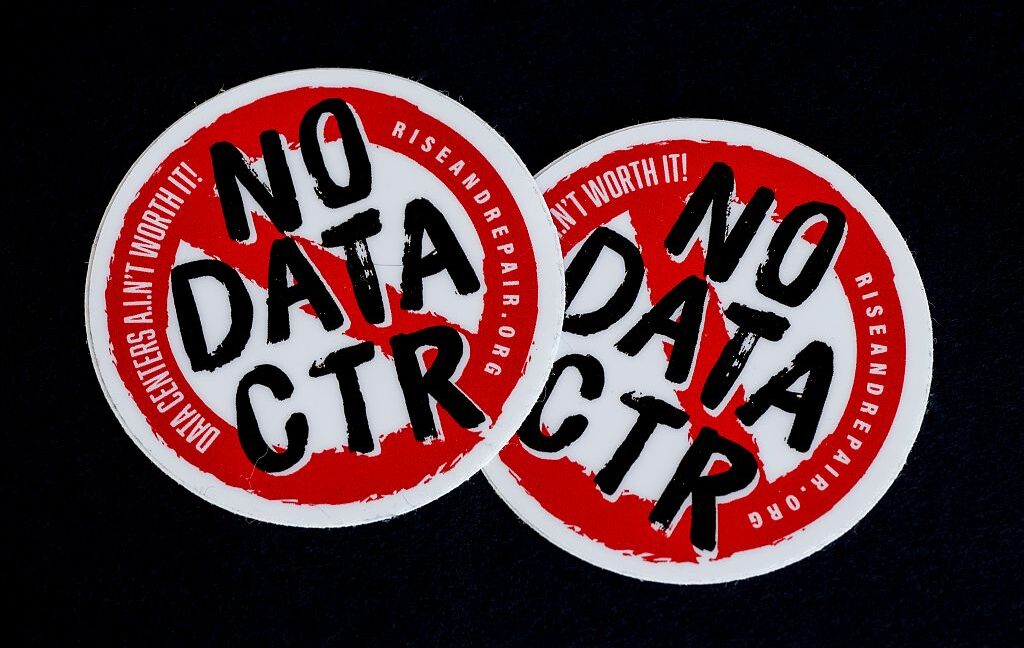
Community opposition to data center construction has stalled approximately $130 billion in projects in 2024, according to tracking by renewable energy advocates. Environmental groups and local residents have successfully blocked or delayed facilities in Ohio, Iowa, and other states by raising concerns about water consumption, grid strain, and land use.
The most visible victory came in Iowa, where sustained protests prevented a Meta data center from moving forward. Residents highlighted the facility's projected water usage at 5-7 million gallons daily in a state dependent on groundwater. Local activism also delayed Microsoft's plans in the region and forced Google to abandon a planned facility in Ohio after community pushback.
These campaigns represent a shift in how communities respond to AI infrastructure expansion. Unlike previous industrial projects that faced limited organized resistance, data centers now encounter coordinated opposition from environmental groups, local governments, and citizen networks. The scale of blocked investments reflects genuine technical constraints and resource conflicts, not merely NIMBY sentiment.
Water availability remains the primary flashpoint. Data centers require continuous cooling, making them water-intensive facilities in regions already facing drought stress. Texas, which hosts major AI infrastructure projects, has seen increased water conflict as semiconductor plants and data centers compete with agricultural needs. Renewable energy advocates note that pairing these facilities with new wind and solar capacity strains grid interconnection timelines, extending deployment costs and schedules.
Protest movements have also weaponized environmental review processes. Extended comment periods and legal challenges under state environmental laws have proven effective at delaying projects. Some communities successfully negotiated improved conditions, including water recycling requirements and community benefit agreements.
Tech companies appear increasingly willing to accept delays rather than escalate confrontations. Microsoft and Google have paused announcements about new facility locations, suggesting developers now factor political risk into site selection. Some companies explore remote cooling solutions or water recycling technologies to reduce opposition leverage.
The $130 billion figure likely understates total delayed spending,