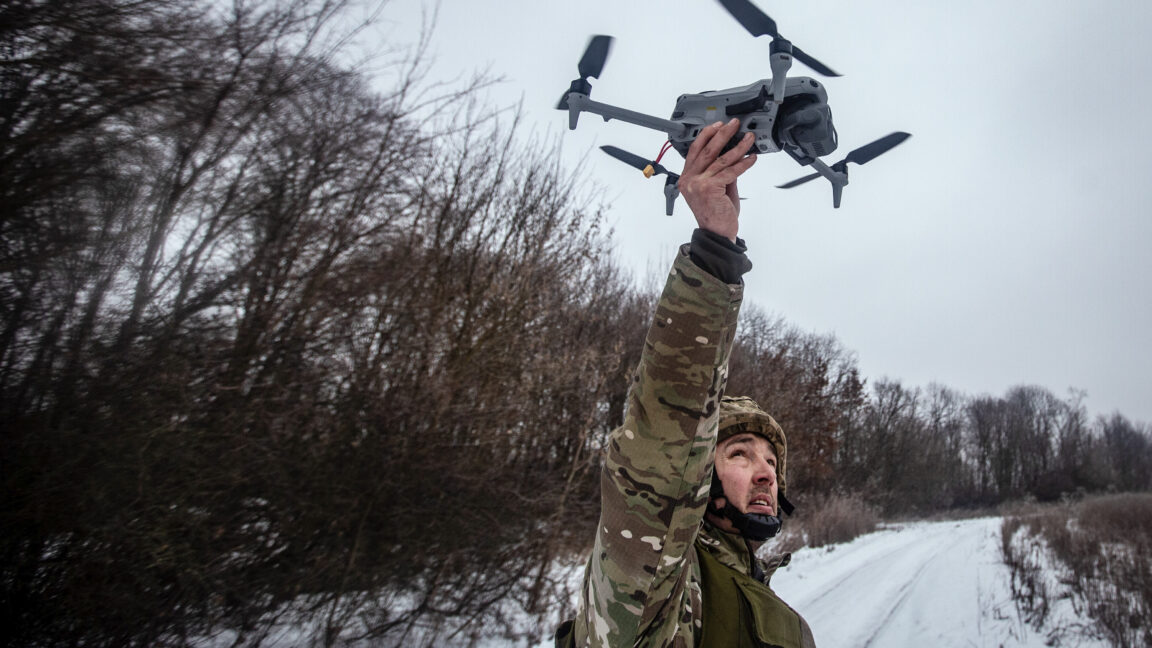
Ukraine has conducted at least one operation using fully autonomous drones to engage Russian military targets, according to reports from the battlefield. The deployment marks a rare real-world use of fully autonomous weapons systems in active combat.
Ukrainian forces have begun integrating AI modules directly into drones and robotic systems, moving beyond remote-controlled platforms toward machines that identify and engage targets without human intervention. The development accelerates an ongoing shift in modern warfare where human operators cede firing decisions to algorithms.
Full autonomy remains uncommon in practice. Most deployed systems retain some level of human oversight, whether through kill-switch protocols or operator approval before engagement. Ukraine's approach reflects both the urgency of its military situation and the technological maturity of certain AI applications in targeting and threat assessment.
The AI modules handle core functions: target detection, classification, and engagement decisions. These systems process real-time battlefield data and execute strikes when conditions match preset parameters. The speed advantage matters in combat. Autonomous systems eliminate the communication lag between reconnaissance, human decision-makers, and weapon fire, collapsing response times from minutes to seconds.
This operational test reveals gaps between international discourse on autonomous weapons and actual military practice. The UN and various nations debate regulations for fully autonomous systems while Ukraine deploys them out of necessity. Russia faces an asymmetric threat from a smaller military forced to adopt unconventional tactics to offset numerical disadvantages.
The broader implications extend beyond this specific conflict. Autonomous weapons systems lower the technical barrier for smaller nations and non-state actors to wage sophisticated warfare. Once the technology proves viable in Ukraine, other militaries will accelerate adoption. The precedent matters. Ukraine's one-time test becomes a template other forces study and replicate.
Questions persist about targeting accuracy, civilian protection, and accountability when machines make lethal decisions. Ukrainian commanders report using these systems against clearly identified Russian military positions, but battlefield conditions rarely allow perfect clarity. The gap between targeting