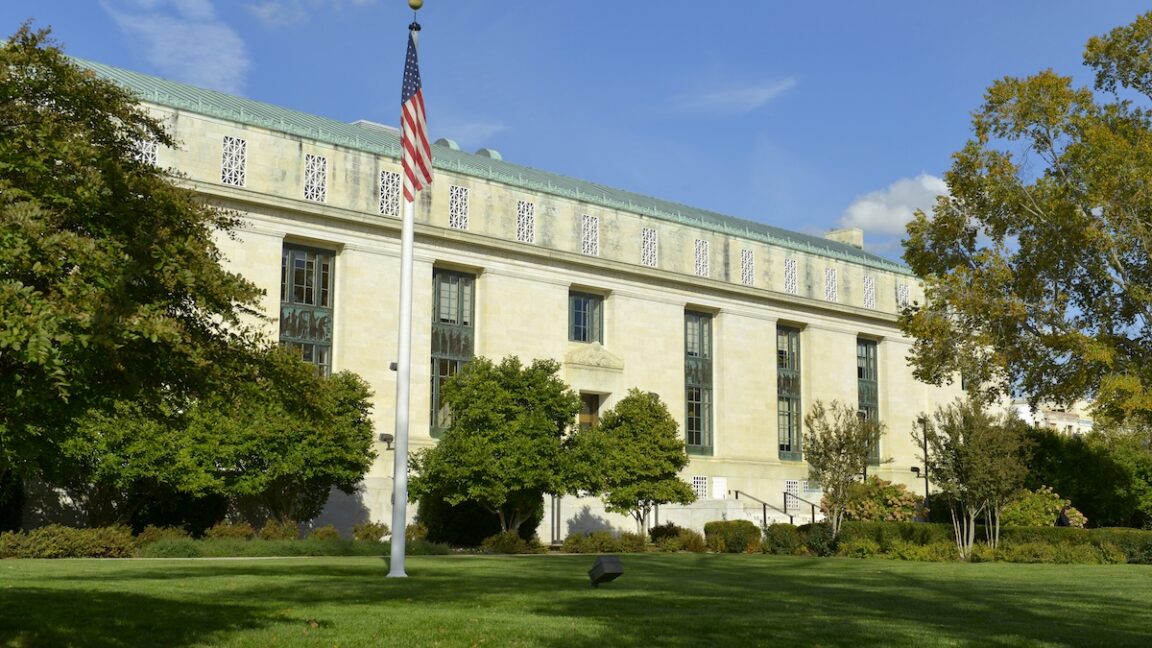
The National Academies of Sciences, Engineering, and Medicine faces unprecedented political pressure over a forthcoming report on climate attribution. The academies have long served as America's most trusted arbiter of scientific consensus, operating with bipartisan deference for over 160 years. That shield appears to be cracking.
The dispute centers on a report examining how scientists attribute extreme weather events to climate change. Attribution science has become increasingly sophisticated, allowing researchers to calculate the probability that human-caused warming made specific storms, droughts, or heat waves worse or more likely. This precision makes the findings politically potent.
Climate attribution sits at the intersection of hard science and policy consequence. When researchers conclude that a hurricane was made 20 percent more intense by human activity, or that a heat wave was five times more likely because of greenhouse gas emissions, they are not merely describing physics. They are quantifying human responsibility for disaster. Insurance companies, governments, and courts are beginning to use these calculations to determine liability and allocate resources.
Conservative groups have begun lobbying the academies, seeking to influence how the report frames uncertainties and confidence levels in attribution findings. Some have questioned whether the academies' peer review process remains rigorous enough to withstand ideological challenge. The pressure signals a shift in how scientific institutions are treated in the American political ecosystem.
Previously, attacks on the academies came from the fringes. Scientific consensus on smoking, vaccines, and evolution faced resistance, but the institutions themselves remained insulated from organized partisan campaigns. The climate attribution report suggests that protection has eroded. Well-funded opposition groups now directly challenge not just scientific findings but the legitimacy of the institutions producing them.
The academies have no enforcement mechanism. They depend entirely on their reputation for independence and rigor. If political actors successfully weaponize uncertainty language in scientific reports, or if accusations of bias gain traction despite lack of evidence, the academies lose their most