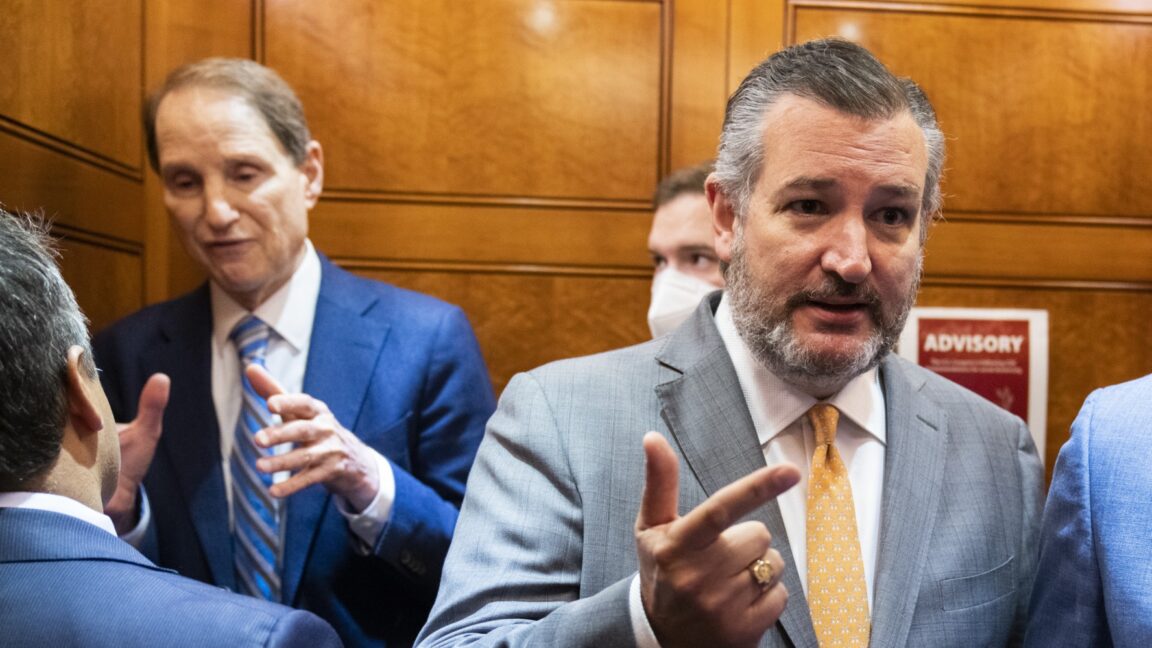
Ted Cruz and Ron Wyden introduced the JAWBONE Act, bipartisan legislation designed to allow Americans to sue federal officials who suppress speech. The bill addresses concerns about government censorship by creating a private right of action against federal agents who chill free expression through coercion or threats.
The measure targets a specific problem: federal officials pressuring platforms to remove content or ban users. Under current law, citizens struggle to hold the government accountable when agencies like the FBI or health departments push social media companies to suppress speech. The JAWBONE Act would let individuals sue directly.
The bill defines censorship broadly to include any federal official's action that coerces or threatens removal of speech from platforms, with specific exceptions for fraud, incitement to violence, and child exploitation. Plaintiffs could seek damages and attorneys' fees, creating financial incentives for lawsuits.
This effort emerges from documented instances where federal agencies contacted Meta, Twitter, and other platforms requesting content removal during the pandemic and elections. Internal documents revealed the FDA flagged vaccine posts and the FBI asked platforms to suppress content the agencies deemed problematic. While platforms retain editorial control, the question of improper government pressure has drawn scrutiny across the political spectrum.
The bipartisan nature reveals unusual alignment. Cruz, a conservative critic of tech platforms, typically frames these issues around protecting right-wing voices. Wyden, a liberal senator, supports stronger privacy protections and has long opposed government overreach. Their cooperation suggests frustration with federal agencies transcends typical partisan divides.
Legal experts note the bill's enforcement mechanism differs from existing frameworks. Rather than relying on First Amendment litigation, which requires showing state action and other demanding elements, JAWBONE creates a statutory cause of action with lower barriers to recovery.
The legislation faces uncertain prospects. Tech companies may resist, as it indirectly impacts their relationships with government agencies. Privacy advocates might support it, while some constitutional