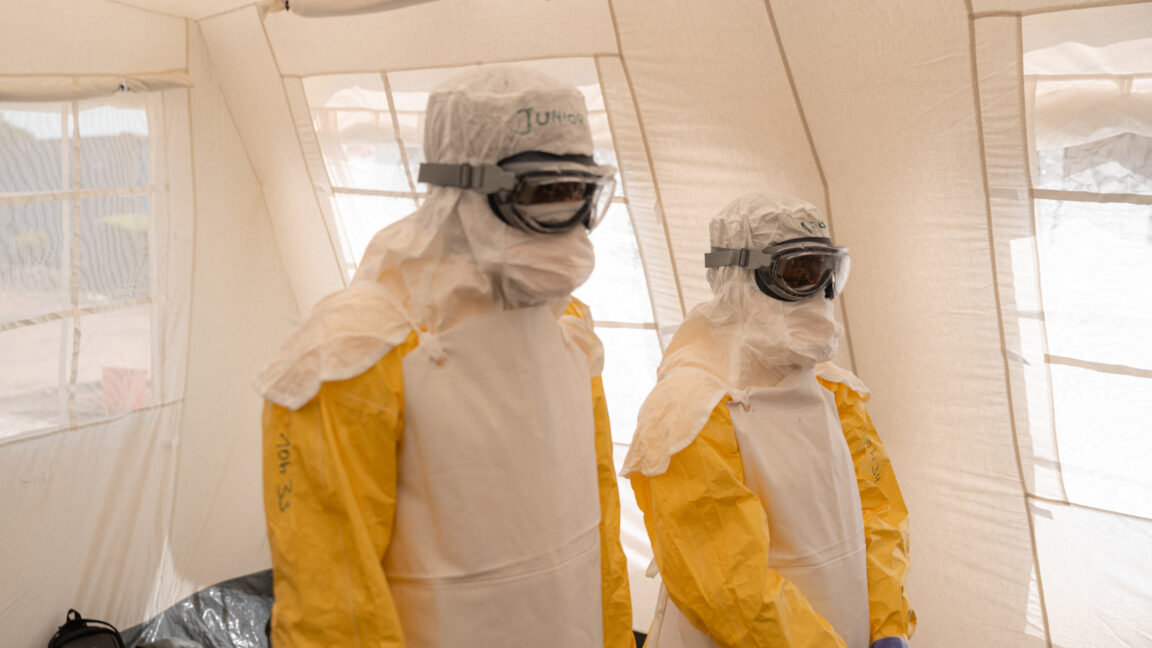
The Democratic Republic of Congo faces a surging Ebola outbreak with confirmed cases now reaching 676, straining response efforts across the region. Meanwhile, tensions escalate as Kenya protests U.S. pandemic containment strategies that prioritize isolation measures.
Health authorities in the DRC struggle to contain the virus spread despite coordinated outbreak response operations. Contact tracing teams work to identify exposed individuals, but resource constraints and logistical challenges hamper rapid deployment. The outbreak underscores persistent gaps in disease surveillance infrastructure across Central Africa.
The U.S. approach to pandemic isolation has triggered significant backlash in Kenya, where public demonstrations reflect concerns about unequal burden-sharing during health crises. Critics argue that wealthy nations' protective measures leave developing countries vulnerable while bearing disproportionate outbreak costs.
The dual crisis reveals fundamental tensions in global health response. Outbreak containment requires regional cooperation and resource sharing, yet individual countries prioritize self-protection. The DRC outbreak demonstrates how inadequate surveillance systems allow transmission chains to grow exponentially before detection.
Previous Ebola outbreaks in DRC have shown that rapid response, local expertise, and community engagement reduce case fatality rates. The current surge suggests response mechanisms remain underfunded and understaffed. Vaccine distribution logistics remain problematic, with hesitancy among populations skeptical of external interventions.
Kenya's public objection signals broader frustration across African nations about pandemic response equity. Developing countries host outbreaks but lack resources for containment while wealthy nations secure protective measures first. This pattern damages trust in international health institutions and complicates future cooperative responses.
The outbreak and accompanying diplomatic tensions illustrate how disease outbreaks intersect with geopolitics and resource inequality. Effective pandemic control requires burden-sharing, transparent communication, and equitable access to countermeasures. Without addressing these structural inequities, future outbreaks will trigger similar responses: