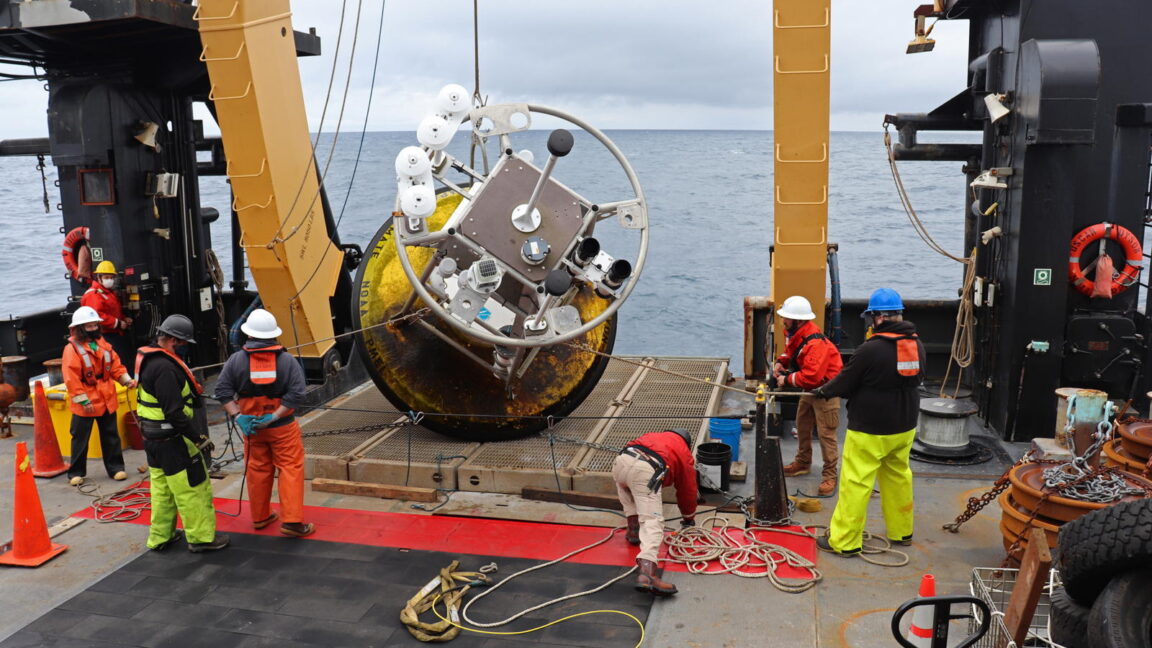
The National Science Foundation is shutting down a critical ocean monitoring network that has tracked water conditions, currents, and weather patterns across Alaska's coastal regions for decades. The decommissioning leaves fishing communities and Alaska's $7 billion seafood industry without real-time data infrastructure that informs everything from commercial fleet operations to coastal hazard warnings.
The network provided continuous measurements of sea surface temperature, salinity, current direction, and storm surge conditions. Commercial fisheries relied on this data to locate fish stocks and navigate safely. Coastal towns used the same infrastructure to predict tsunamis, storm surge, and erosion events that threaten infrastructure and lives.
NSF's decision stems from budget constraints and shifting priorities within the foundation's ocean science programs. The agency has not allocated replacement funding or identified a successor operator for the buoys and coastal sensors. Alaska's fishing fleet currently operates without comparable alternatives, forcing captains to rely on outdated satellite imagery and weather models that lack local precision.
Environmental scientists warn the gap creates blind spots in understanding how climate change affects Alaska's marine ecosystems. Warmer ocean temperatures drive fish migration patterns and alter spawning cycles. Without real-time monitoring, researchers cannot track these shifts or help communities adapt.
State officials and fishing industry representatives have lobbied NSF to reconsider or transition operations to another agency, but no timeline exists for restoration. Some sensors may remain operational through university partnerships, but coverage will be fragmented and incomplete.
The decommissioning reflects a broader problem in federal science funding. Operational monitoring networks rarely capture headlines like novel research projects do, making them vulnerable to budget cuts. Yet they form the backbone of climate science, disaster preparedness, and resource management. Alaska's case demonstrates how infrastructure gaps can undermine both economic and public safety interests when foundational monitoring systems disappear.