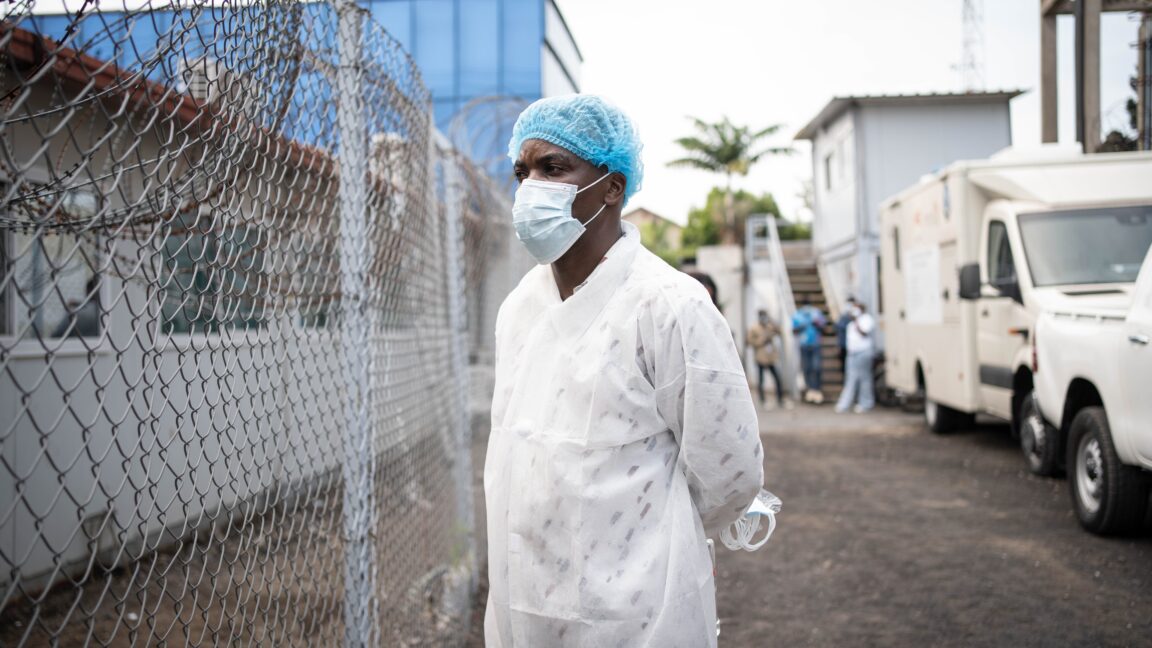
The Trump administration diverted Americans exposed to Ebola away from U.S. soil during the 2014 outbreak, sending them to medical facilities in Berlin and Prague instead, according to reporting from Ars Technica.
Officials denied explicitly refusing entry to the exposed Americans but refused to answer direct questions about why these patients were not allowed to return home for treatment. The decision effectively sidestepped domestic medical capacity concerns and public health anxieties surrounding the virus at the time.
The Ebola crisis of 2014-2016 killed over 11,000 people, primarily in West Africa. While the U.S. did treat several confirmed Ebola patients domestically, the routing of exposed individuals to European facilities raised questions about liability, political optics, and resource allocation during a global health emergency.
The administration's approach reflected the fraught politics of disease management during that period. American hospitals had successfully treated Ebola patients, including healthcare workers who contracted the virus while treating infected patients in Africa. Yet federal officials appeared reluctant to manage additional cases within U.S. borders, despite having the medical infrastructure to do so.
The redirection to Berlin and Prague suggests cost-shifting or risk avoidance rather than medical necessity. European partners accepted the patients, but the move obscured the full scope of American exposure and complicated public communication about the outbreak's reach.
This disclosure comes amid ongoing scrutiny of pandemic preparedness and how government agencies balance public health with political considerations. The handling of exposed Americans during Ebola foreshadowed later debates about quarantine policies and the messaging around infectious disease response.
The episode reveals tensions between transparency and containment strategy during health crises, with officials prioritizing message control over straightforward acknowledgment of exposure cases on American territory.