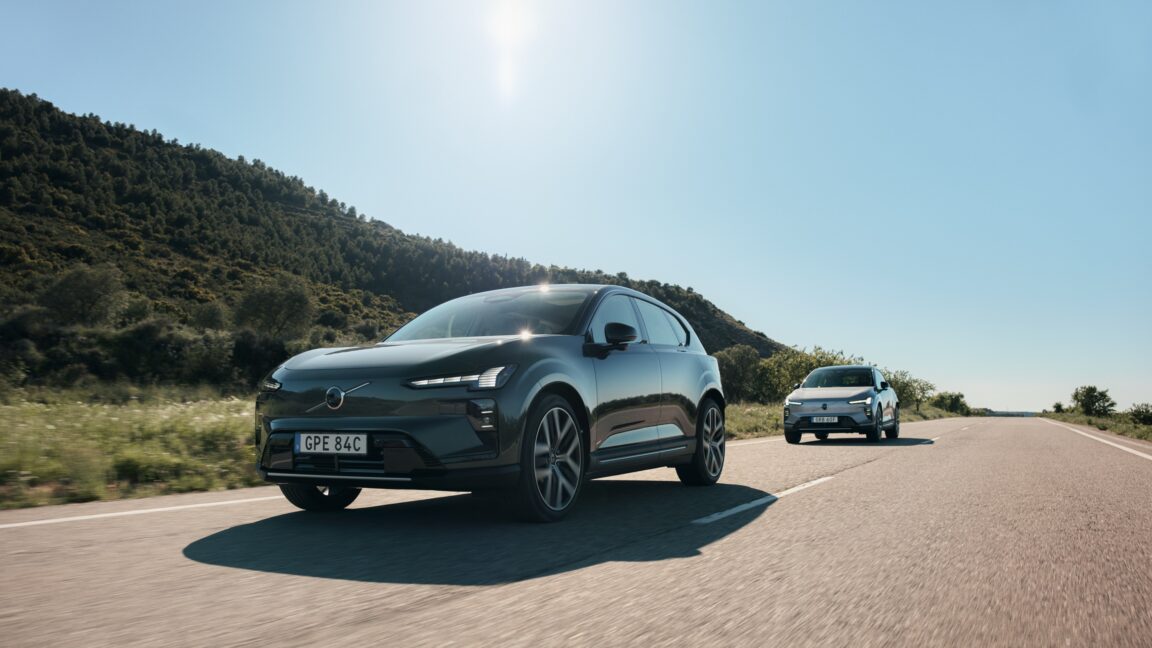
Volvo has launched the EX60, a new electric SUV that reflects the automaker's push toward leaner manufacturing and advanced automotive technology. The vehicle enters a crowded EV market where efficiency and cost control separate winners from laggards.
The EX60 builds on Volvo's existing platform strategy, incorporating manufacturing techniques that reduce production complexity. The company calls this approach "megacasting," a process that combines multiple metal parts into single large components. This cuts assembly time and reduces the number of welds required, lowering production costs while improving structural rigidity. Tesla pioneered megacasting in the Model Y. Volvo now deploys the technique across the EX60's frame.
The vehicle targets premium EV buyers who prioritize efficiency and Scandinavian design language. Volvo emphasizes the EX60's interior quality and minimalist aesthetic, moving away from flashy infotainment toward intuitive controls and sustainable materials. The battery pack sits low in the chassis, keeping weight distributed and improving handling.
Range figures match competitors in the segment. The EX60 offers configurations spanning roughly 300 to 480 kilometers on a charge, depending on battery size and drivetrain. Charging speeds benefit from 111 kW DC fast charging capability, cutting 10 to 80 percent charge time to under 30 minutes in optimal conditions.
Volvo faces pressure from Tesla, BMW, Mercedes, and Audi, all shipping their own premium EVs. The EX60's competitive edge lies not in groundbreaking specs but in production efficiency and design restraint. By adopting megacasting and streamlining the supply chain, Volvo aims to maintain margins while pricing aggressively.
The automaker's bet on efficiency over technological flash reflects market maturity. Early EV buyers chased cutting-edge features. Today's market rewards