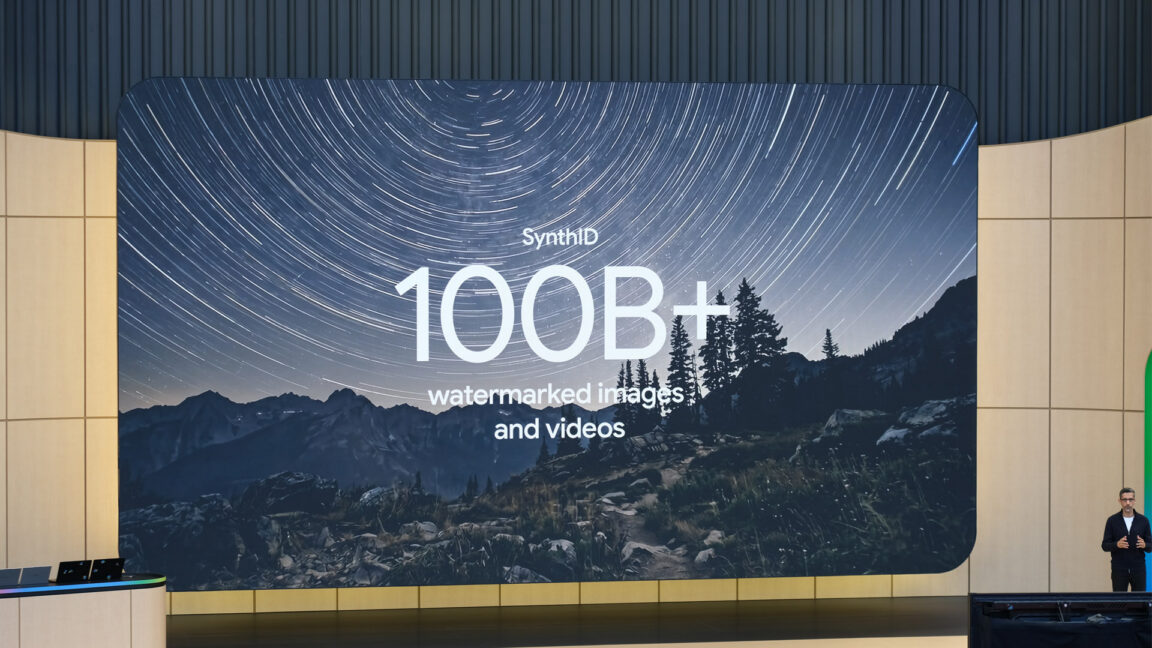
Google's SynthID watermarking technology is gaining traction beyond Google. OpenAI, Nvidia, and other major AI companies are now adopting the system to embed invisible digital signatures into AI-generated content. The move addresses a growing problem: distinguishing authentic human-created material from synthetic content as generative AI becomes more sophisticated.
SynthID works by embedding imperceptible watermarks directly into images, text, or other outputs during the generation process. These watermarks persist even after compression, cropping, or other common editing techniques. Detection requires running content through Google's verification system, which analyzes whether the hidden signature matches known AI generation patterns.
The adoption signals industry recognition that watermarking represents a practical approach to AI transparency. Rather than relying solely on metadata or external labels that users can easily strip away, SynthID bakes authentication into the content itself. This makes it harder for bad actors to pass off AI-generated deepfakes or synthetic media as genuine.
OpenAI has integrated SynthID into its watermarking approach for ChatGPT-generated text. Nvidia is implementing the technology across its AI platforms. Other participating organizations include Adobe, Shutterstock, and various academic institutions. The collective adoption increases the likelihood that watermarked content will become an industry standard.
However, limitations exist. The watermarking system requires users to run detection checks actively. It also cannot retroactively identify AI content created before watermarking standards were adopted. Bad actors may develop techniques to strip or obfuscate the signals, triggering an arms race between watermarking and circumvention methods.
The broader context matters. Content authenticity tools remain fragmented across platforms and providers. No universal standard currently mandates watermarking for all AI-generated content. The technology works best as one component of a multi-layered verification approach that includes digital signatures, provenance tracking, and human expertise