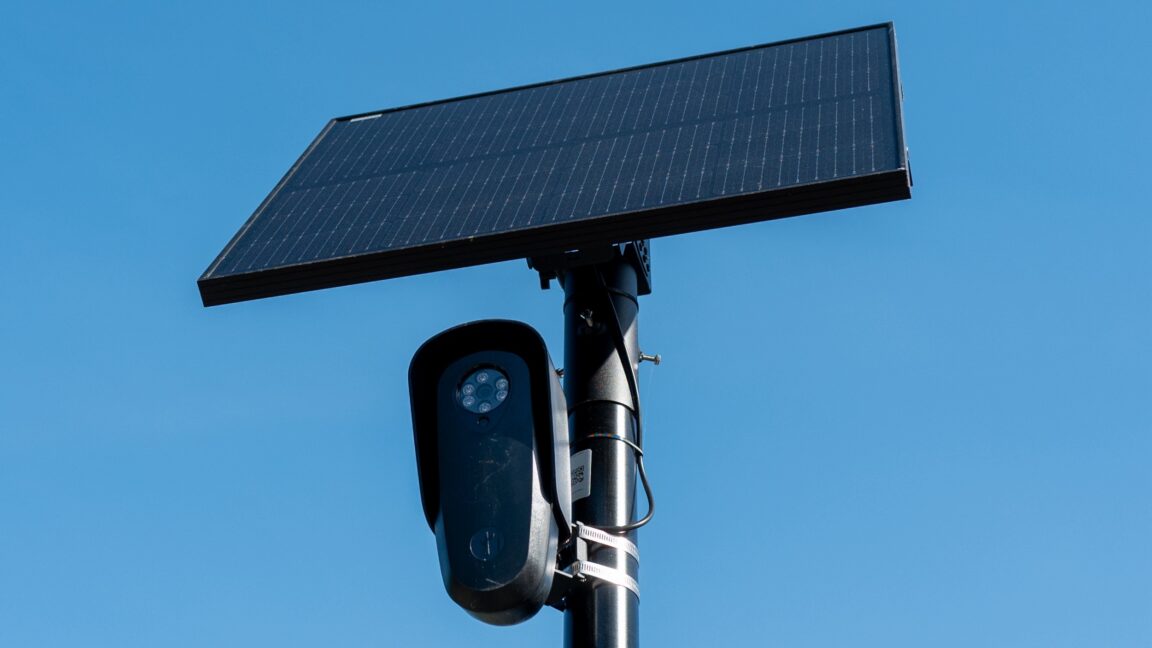
The FBI is moving to establish nationwide access to license plate recognition (LPR) camera networks, seeking real-time data from automated readers across the country. The bureau plans to pay vendors for integration with existing systems, allowing agents to query and track vehicles at scale without needing individual state or local permission for each search.
This expansion represents a significant leap in law enforcement surveillance infrastructure. License plate readers capture millions of plate images daily at highways, tolls, and parking lots. Most systems today operate in silos, controlled by individual states, cities, or private operators. The FBI's approach consolidates this fragmented data into a searchable national database.
The agency frames this as essential for tracking suspects and stolen vehicles. Real-time access speeds up responses to active investigations. Without current integration, agents must contact multiple jurisdictions separately, introducing delays. A unified system eliminates that friction.
However, the plan raises privacy concerns. License plate data reveals patterns of movement, locations visited, and associations. Without warrant requirements or clear oversight, the system could enable mass tracking of ordinary citizens. The ACLU and other privacy advocates have long opposed warrantless LPR aggregation at the federal level.
Legal protections remain unclear. Unlike wiretapping or cell location data, license plate collection typically requires minimal judicial oversight since readers capture information in public spaces. But aggregating billions of observations into a national searchable database differs materially from isolated readings.
The FBI has tested similar access informally. This formal procurement signals the bureau intends to make nationwide integration permanent and expansive. The cost to vendors suggests a multi-year commitment with substantial federal funding.
Congressional oversight of the program appears limited. The move does not require new legislation since license plate readers operate within existing surveillance authority. This means implementation could proceed with minimal public debate.
States and cities that currently control their own LPR networks will face pressure to participate. Federal funding and investigative advantages create