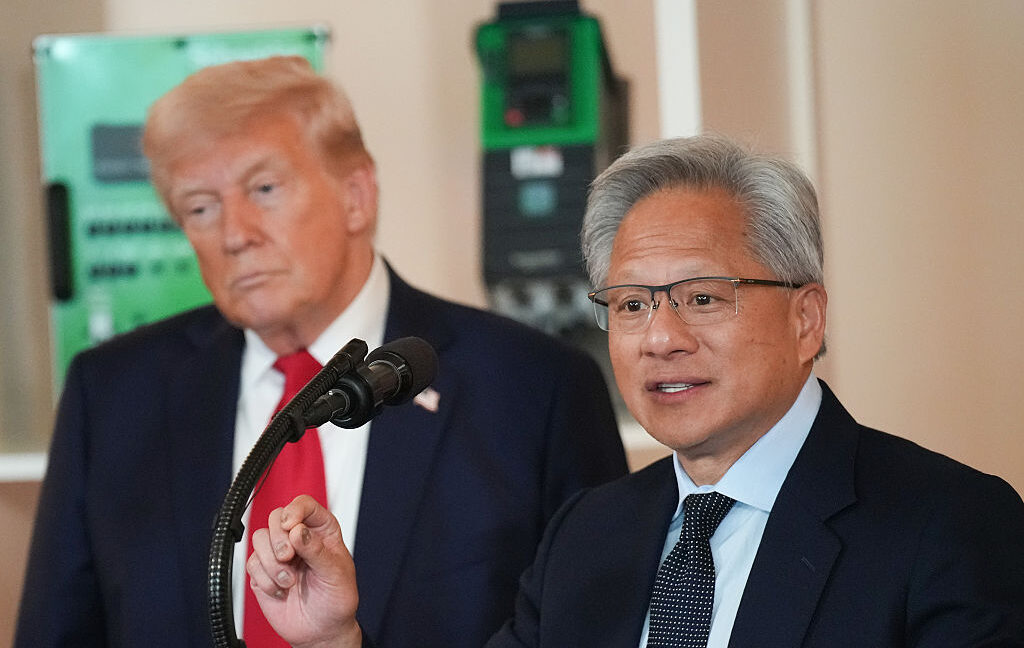
Nvidia CEO Jensen Huang faced an awkward moment during a China visit last week when Beijing added the RTX 5090D V2 graphics card to its list of banned exports. Chinese customs enforced the restriction at checkpoints starting Friday, blocking shipments of the high-end GPU.
The timing underscores rising tensions over AI chip controls. The RTX 5090D V2 targets data center workloads and delivers substantial computing power for large language models and neural networks. China has long sought access to cutting-edge Nvidia processors for domestic AI development, but U.S. export controls limit what the company can sell to the region.
Beijing's move appears retaliatory. By banning the chip from its own customs system, China prevents its own companies and research institutions from legally importing the hardware. This self-imposed restriction signals displeasure with Nvidia or U.S. export policy without directly violating trade agreements. The maneuver essentially closes China's market to this specific product line.
Huang visited China to maintain relationships with local AI researchers and tech companies despite the geopolitical headwinds. His presence during the ban announcement created an ironic tableau. Nvidia generates roughly 25 percent of its revenue from China and Hong Kong combined, making the region critical to the company's growth. Yet U.S. government restrictions prevent Nvidia from selling its most powerful chips to Chinese customers, and now China is reciprocating with its own bans.
The RTX 5090D V2 represents the latest generation of Nvidia's enterprise GPU lineup. The ban likely affects a small customer base since the chip already faces U.S. export restrictions for sensitive applications in China. Still, the symbolic action reinforces how AI hardware has become a flashpoint in U.S.-China competition.
Nvidia has adapted by developing chip variants specifically for Chinese markets, including the RTX 6