# One Mars Spacecraft, Two Senators, and a Cloud of Questions
A Mars spacecraft program faces scrutiny from Capitol Hill, with two senators applying pressure over unspecified concerns tied to the mission's trajectory or funding. The quote suggests existing momentum, yet senators are pushing for faster action or clearer accountability on the project.
The exchange hints at broader tensions between Congress and space agencies over Mars exploration priorities. Senators typically intervene when costs balloon, timelines slip, or strategic importance to the nation remains unclear. Mars missions command billions in taxpayer dollars, making them frequent targets for legislative oversight.
The cryptic nature of the senators' concerns points to several possible friction points. They could be questioning NASA's technical readiness for a crewed mission, demanding faster timelines aligned with the Trump administration's lunar-first strategy, or pressing for clarity on whether a Mars program competes with other space priorities like national security missions or lunar development.
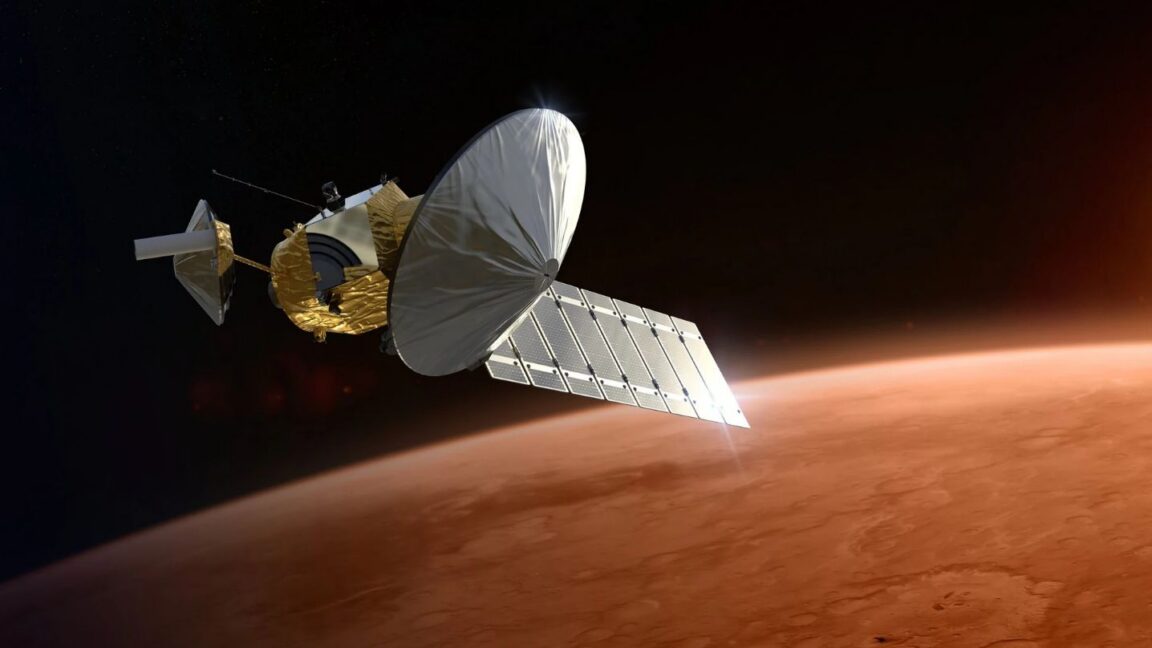
The spacecraft in question likely refers to a component of NASA's deep space architecture, either related to the Moon-to-Mars initiative or a standalone Mars robotic mission. Recent years have seen growing interest in Mars exploration beyond NASA's control, with SpaceX explicitly targeting Mars as central to its strategy and China advancing its own Mars program.
Congress holds the purse strings for NASA's budget, giving senators direct leverage over program direction. The fact that only two senators are quoted suggests this may be narrowly tailored pressure rather than broad bipartisan concern, potentially tied to regional interests like contractor locations or their state's aerospace footprint.
The "fire lit under them" comment reflects political theater. NASA leadership already operates under intense pressure from multiple angles: the White House's stated priorities, the agency's own long-term goals, and congressional budget cycles. Additional senatorial pressure adds noise to an already complex priority-setting process.
Without specifics on which spacecraft, which senators, or what exact concerns drive the